
The Trade & Terroir of Ceylon Spices.
Sri Lanka - the island of spices and exotic flavours - has been a trading hub and a main source for spices since traders first reached its shores in the 13th century. True cinnamon, pepper, cardamom, cloves, nutmeg and mace, from the ninth most important exporter of spices in the world.
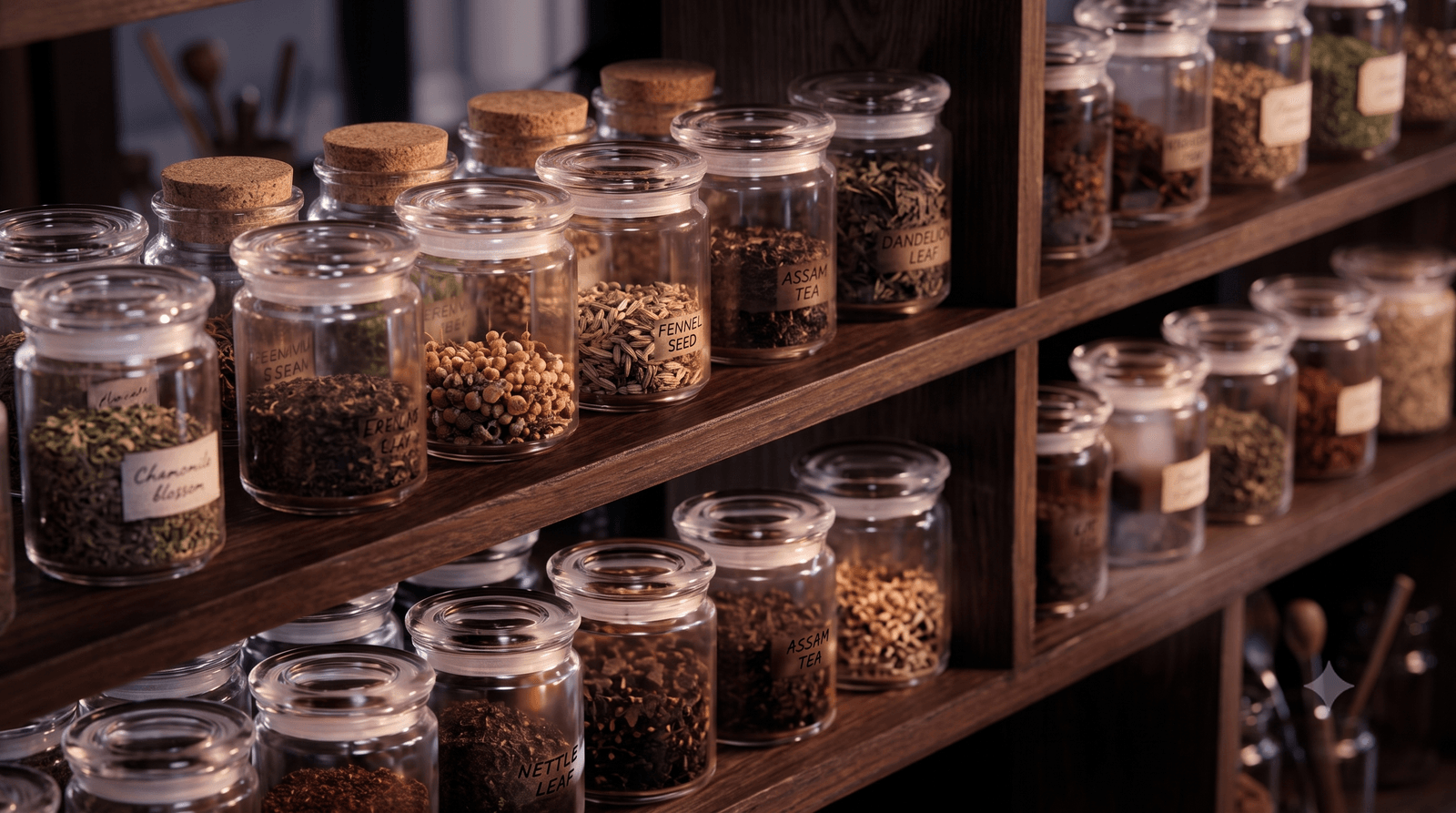
Eight centuries of the Ceylon spice trade
The island's reputation for spice brought traders, then colonial powers, then nearly 500 years of foreign rule - and left Ceylon Spices as one of the oldest names in the trade.
Traders reach Ceylon's shores
Historical records speak of traders from around the world flocking to the shores of Sri Lanka as early as the 13th century, drawn by its fame for the finest quality spices.
Portugal takes the clove trade
Cloves, traded by Arab merchants through the Middle Ages, pass to Portugal, which carries them to Europe and values them at seven grams of gold per kilogram.
Clove leaves the Moluccas
The French introduce clove to Mauritius; cultivation spreads on to Guiana, Zanzibar, the West Indies and much of Brazil.
Nutmeg reaches Sri Lanka
Nutmeg is reported to have been introduced at the beginning of the 19th century, though evidence suggests Silk Road merchants may have brought the crop here earlier.
The island of spices and exotic flavours
Sri Lanka has long been a trading hub and a main source for spices. Historical records speak of traders around the world flocking to its shores as early as the 13th century. The country's global fame for the finest quality spices also brought many colonial powers to its doors, leading to nearly 500 years of colonial rule. The main spices produced here are true cinnamon, pepper, cardamom, cloves, nutmeg and mace - and the country is the ninth most important exporter of spices in the world.
A chemistry no other origin repeats
Today Sri Lanka continues to provide the world with the finest spices. Formed by its unique terroir, the spices of Sri Lanka have a distinct chemical composition, flavour and aroma notes, which makes them highly sought products in the global market.
A protected geographical indication
The Sri Lankan spice and concentrate industry spans a large variety of products, from bulk spice products like true cinnamon to value-added essential oils. Because of their unique flavour and aroma, Sri Lankan spices and cinnamon are identified under the geographical indication and brand name Ceylon Spices and Ceylon Cinnamon.
Explore the Ceylon Spice Cabinet
Select any spice to read its botany - plant family, growing region and the part of the plant that is traded. Six spices, one island, and a trade eight centuries old.
Six Ceylon Spices
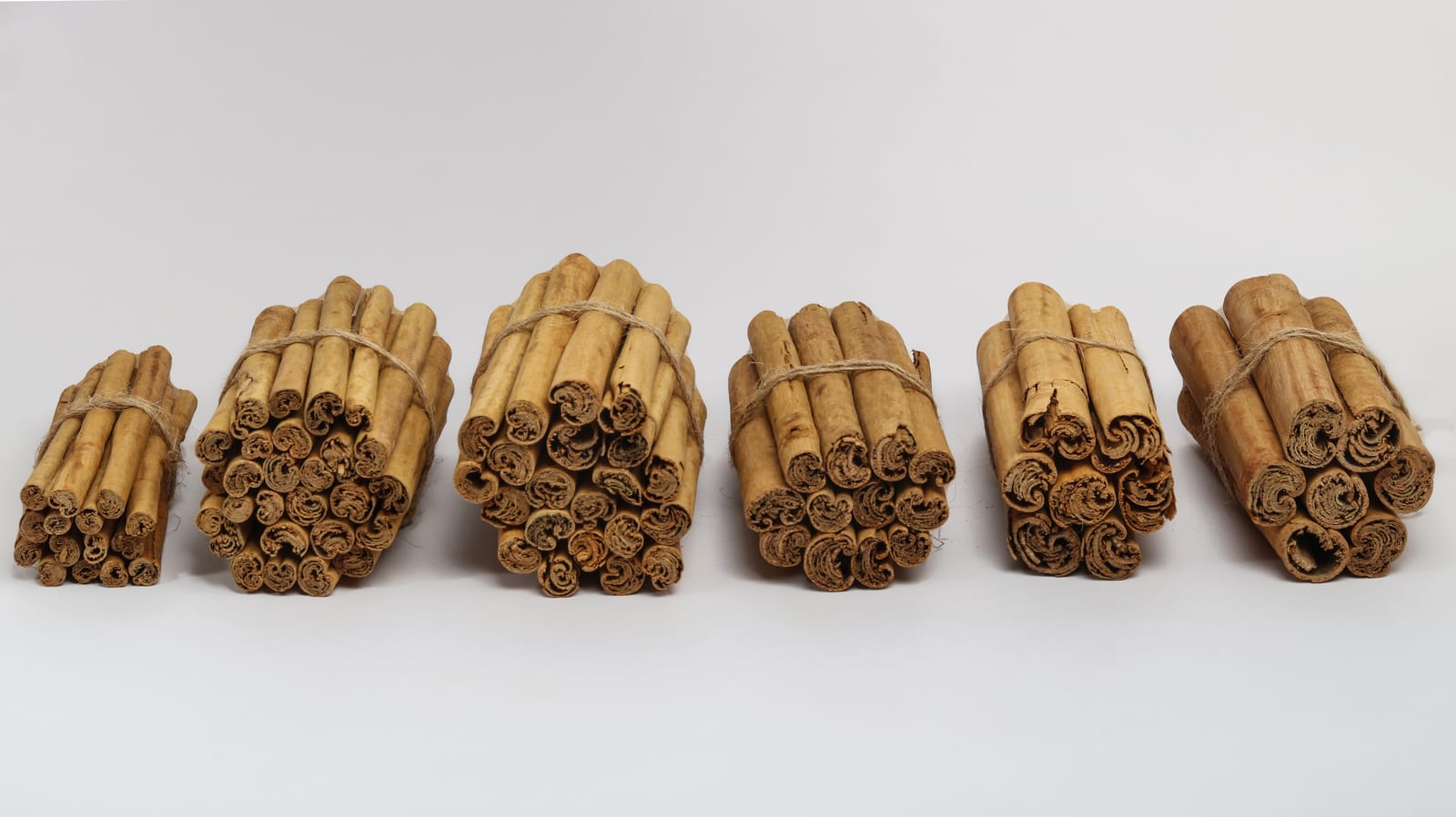
Ceylon Cinnamon
Cinnamomum zeylanicum
Ceylon Cinnamon (Cinnamomum zeylanicum), a plant indigenous to Sri Lanka, is a moderately sized bushy evergreen tree. Cinnamon was a popular spice in the ancient Arab world, and Arab traders paved the way for it to travel the long distance through the spice route to the European market. Cinnamon motivated many historical voyages, leading to the discovery of the New World by Christopher Columbus and Vasco da Gama's voyage to Sri Lanka and South India. The name Ceylon Cinnamon, derived from the former name of Sri Lanka, is a very established geographical indication for cinnamon.
True Ceylon Cinnamon, in ten grades
Cinnamomum zeylanicum - indigenous to Sri Lanka - is a moderately sized, bushy evergreen tree whose inner bark produces the world's finest cinnamon. Soft, sweet and citrus-bright, it bears little resemblance to the harsh cassia sold in most shops. Amee Ceylon sources true cinnamon from Ceylon, available in 10 grades from the finest Alba quills to bulk bales and consumer packs, exported worldwide since 1986.
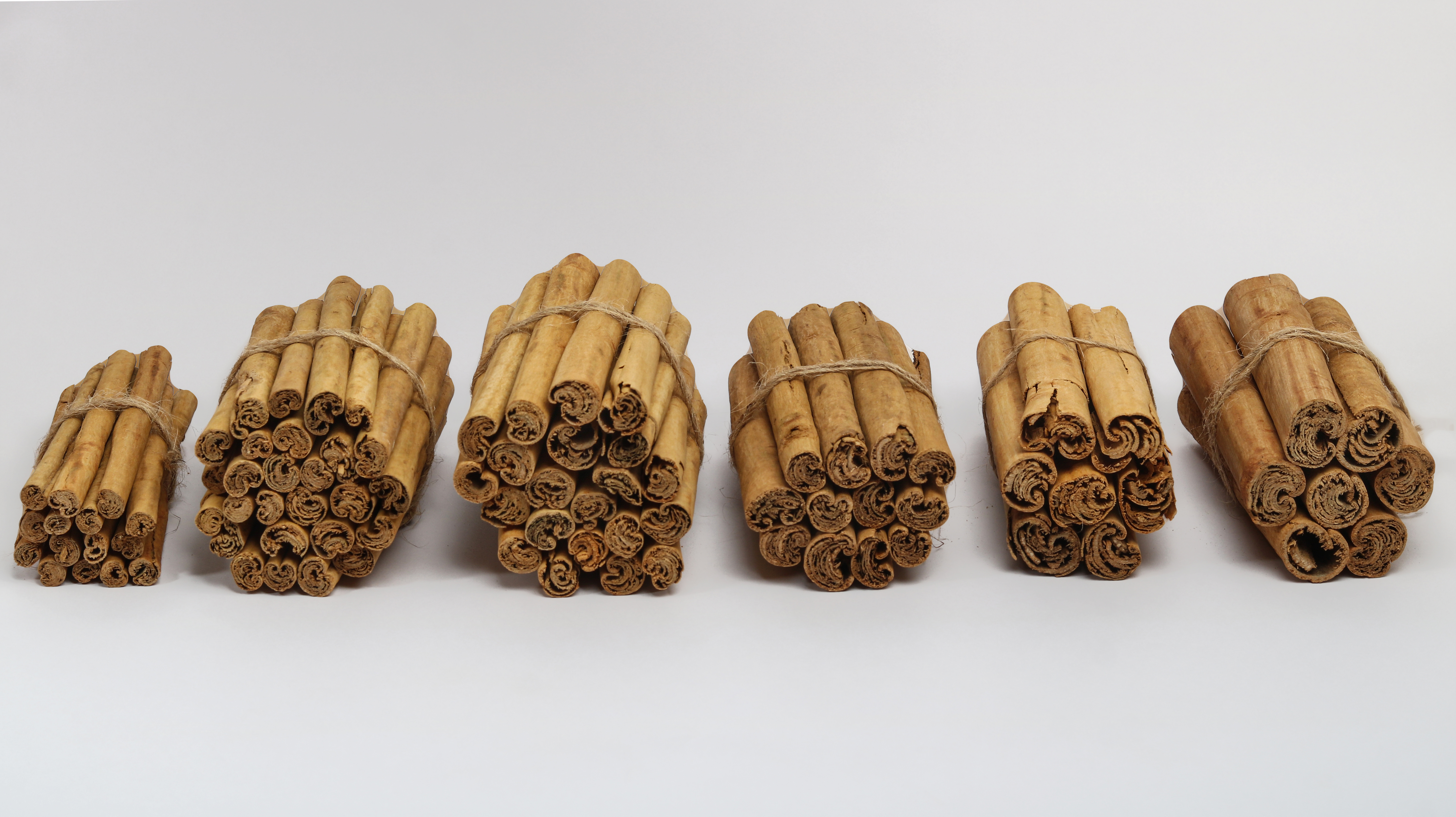
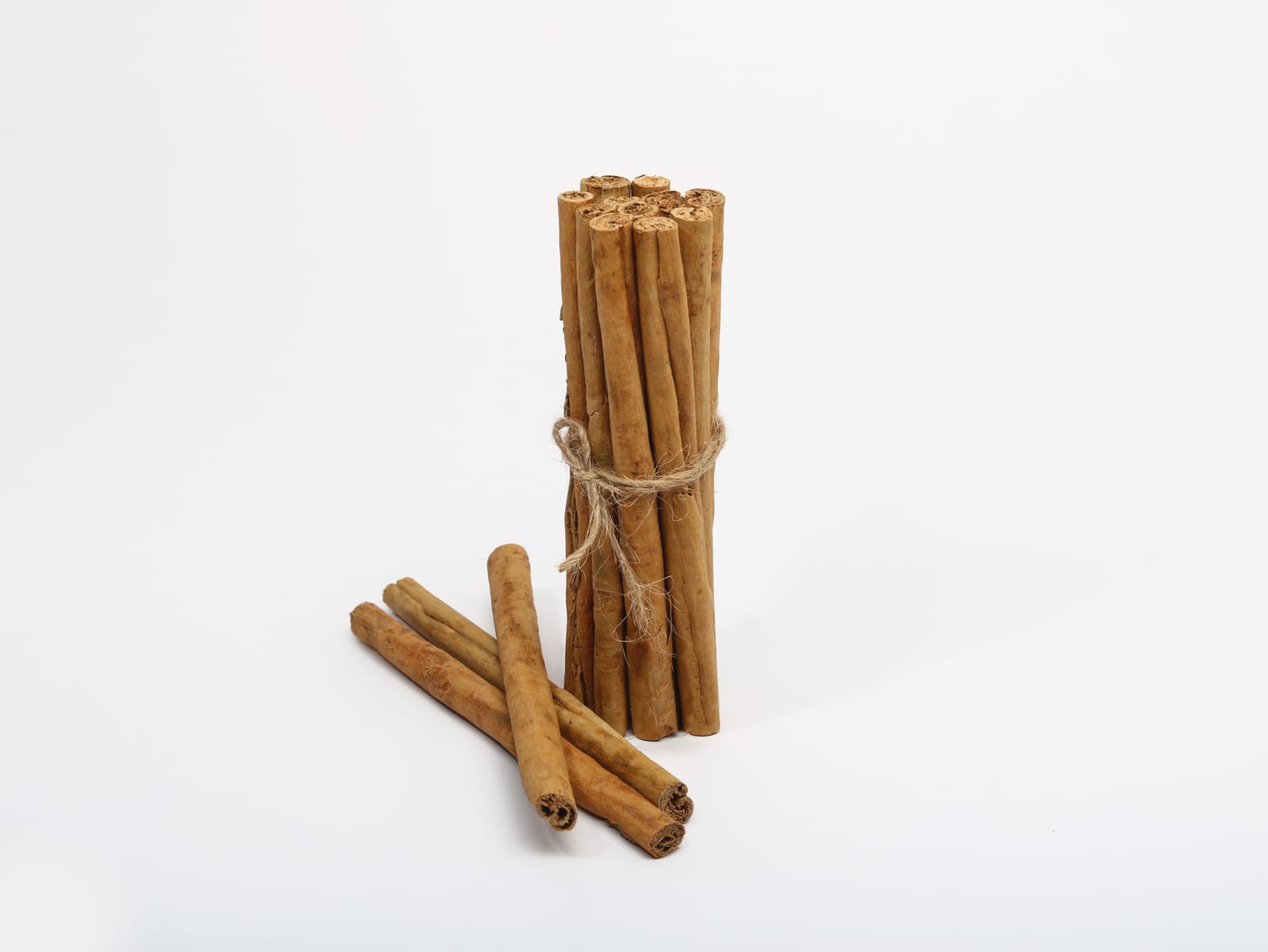
Alba
Ceylon Cinnamon Alba (6-8mm diameter) is the supreme grade of true cinnamon. Hand-peeled into ultra-thin, tightly rolled quills, Alba is prized worldwide for its delicate aroma, intense sweetness, and high essential oil content.
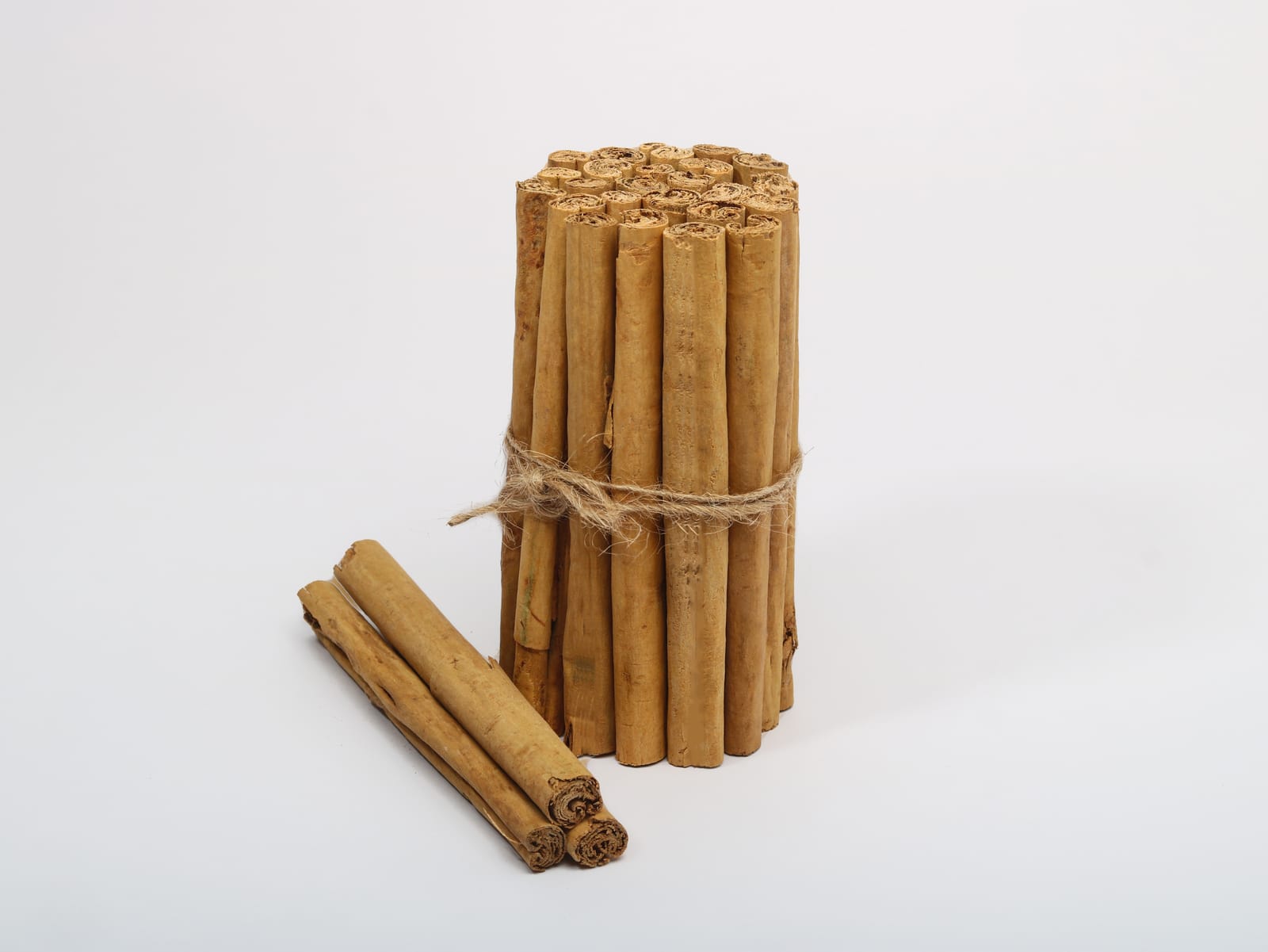
C5 Special
Ceylon Cinnamon C5 Special (8-10mm diameter) offers exceptional refinement with slightly thinner quills than standard C5. Popular in premium export markets demanding tight quill consistency and superior aroma.
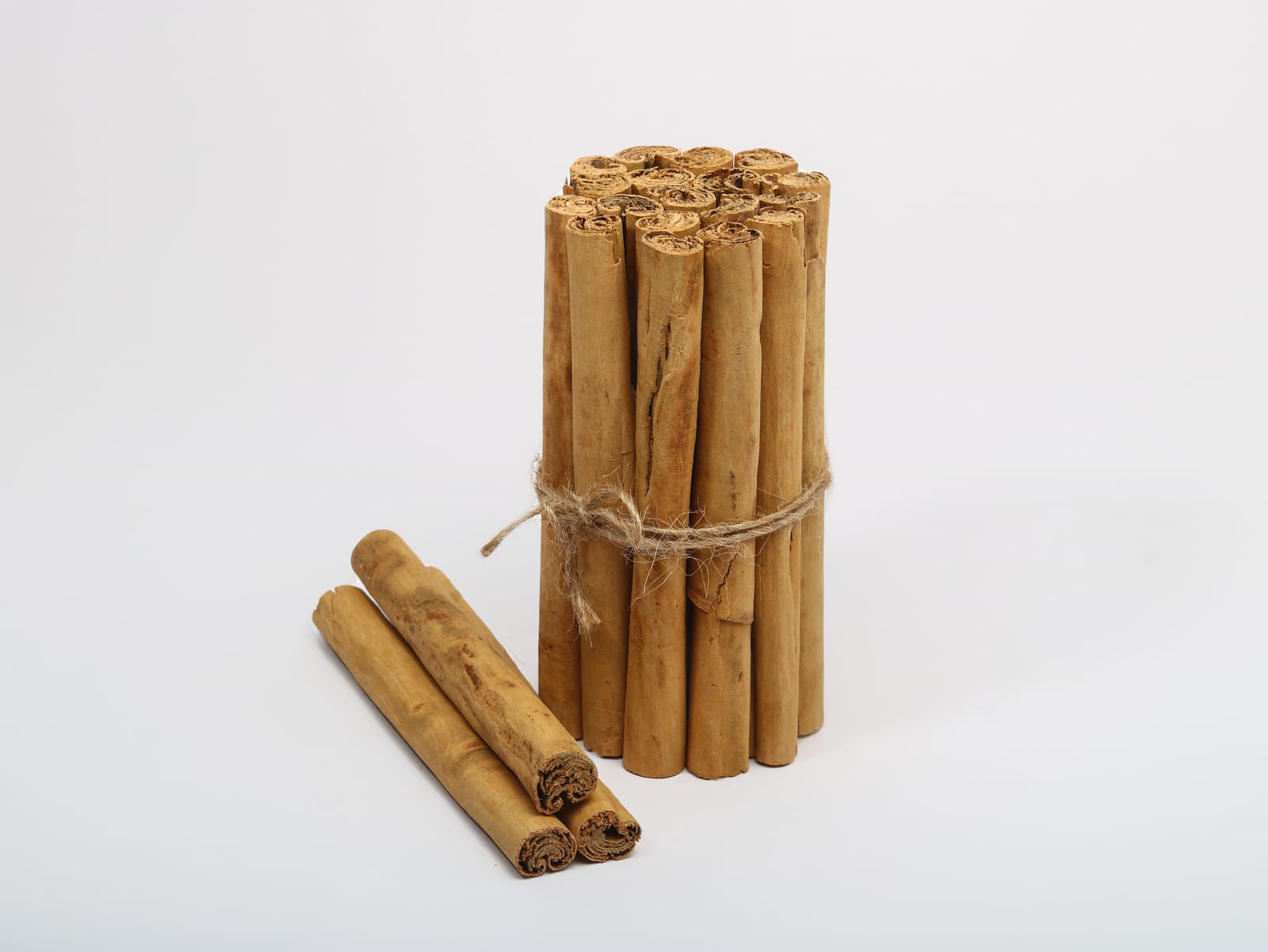
C5
Ceylon Cinnamon C5 (12-15mm diameter) is one of the most widely traded Ceylon cinnamon grades. Featuring well-formed quills with rich fragrance and sweet flavour, C5 is ideal for gourmet culinary and retail markets.
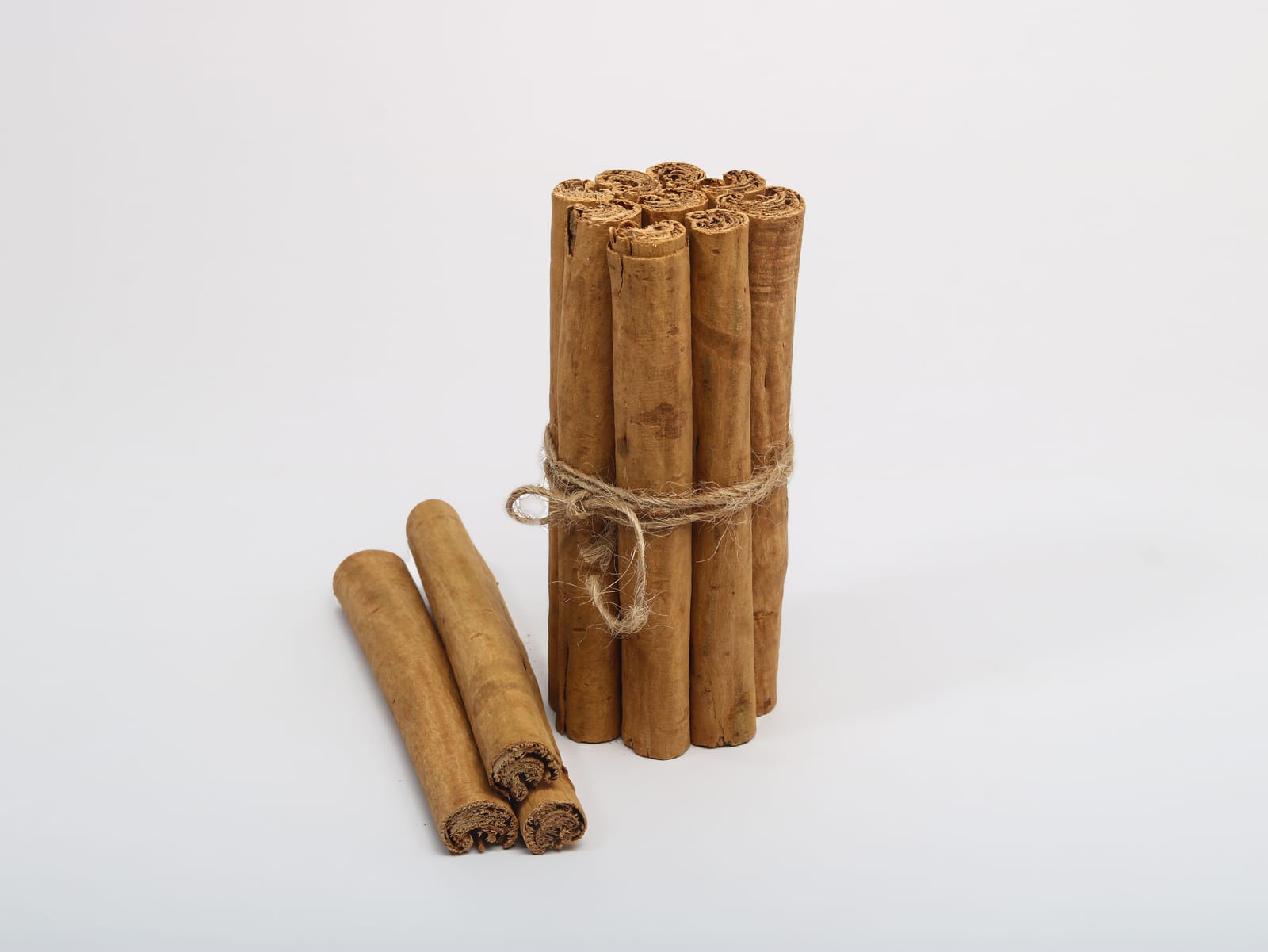
C4
Ceylon Cinnamon C4 (15-18mm diameter) features sturdy, full-bodied quills with a warm, bold cinnamon character. Well-suited for commercial baking, tea blending, and food processing.
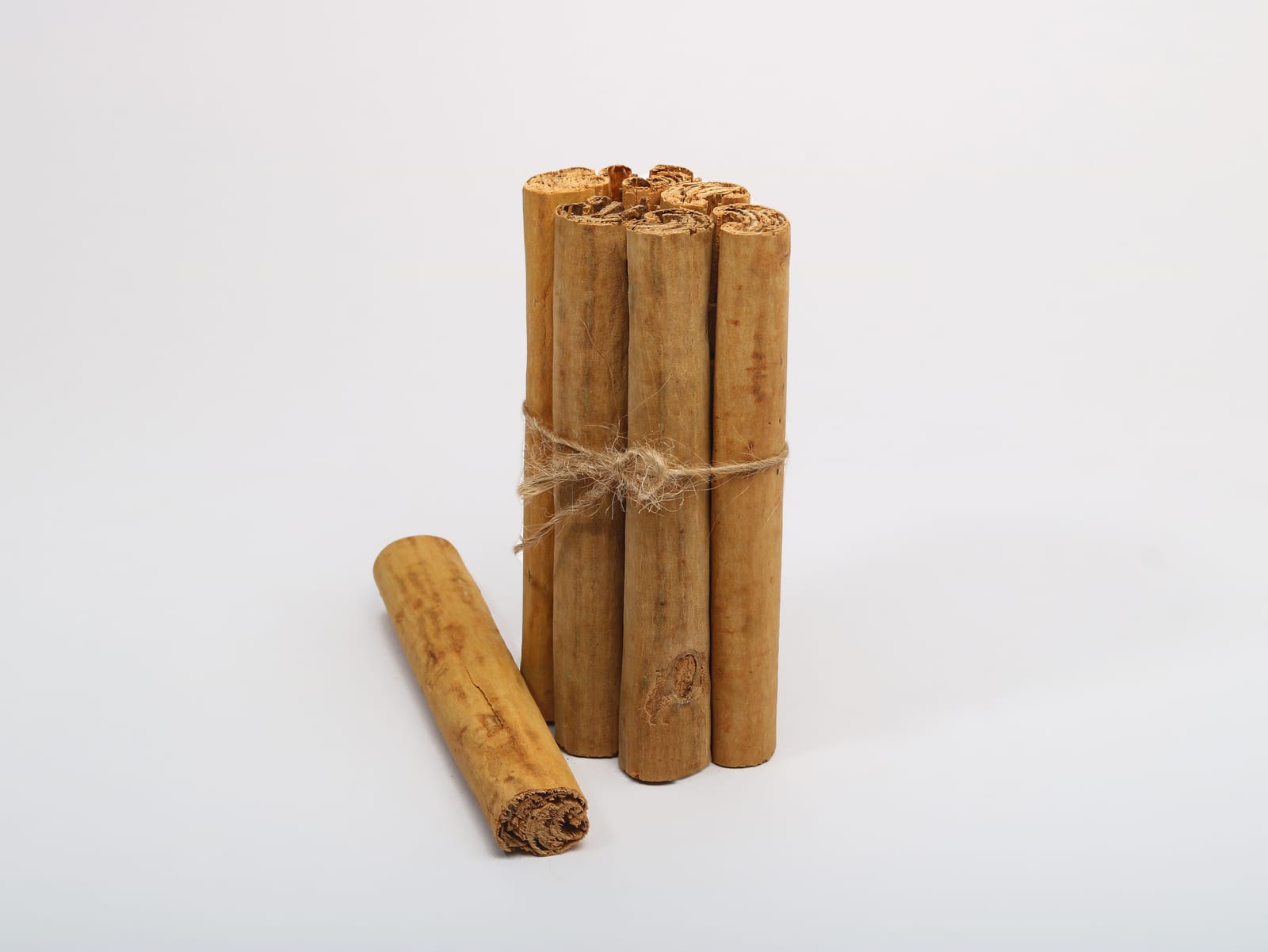
M4
Ceylon Cinnamon M4 (18-20mm diameter) offers a practical balance between quill thickness and affordability. An economical choice for large-batch food manufacturing, spice grinding, and industrial formulations.
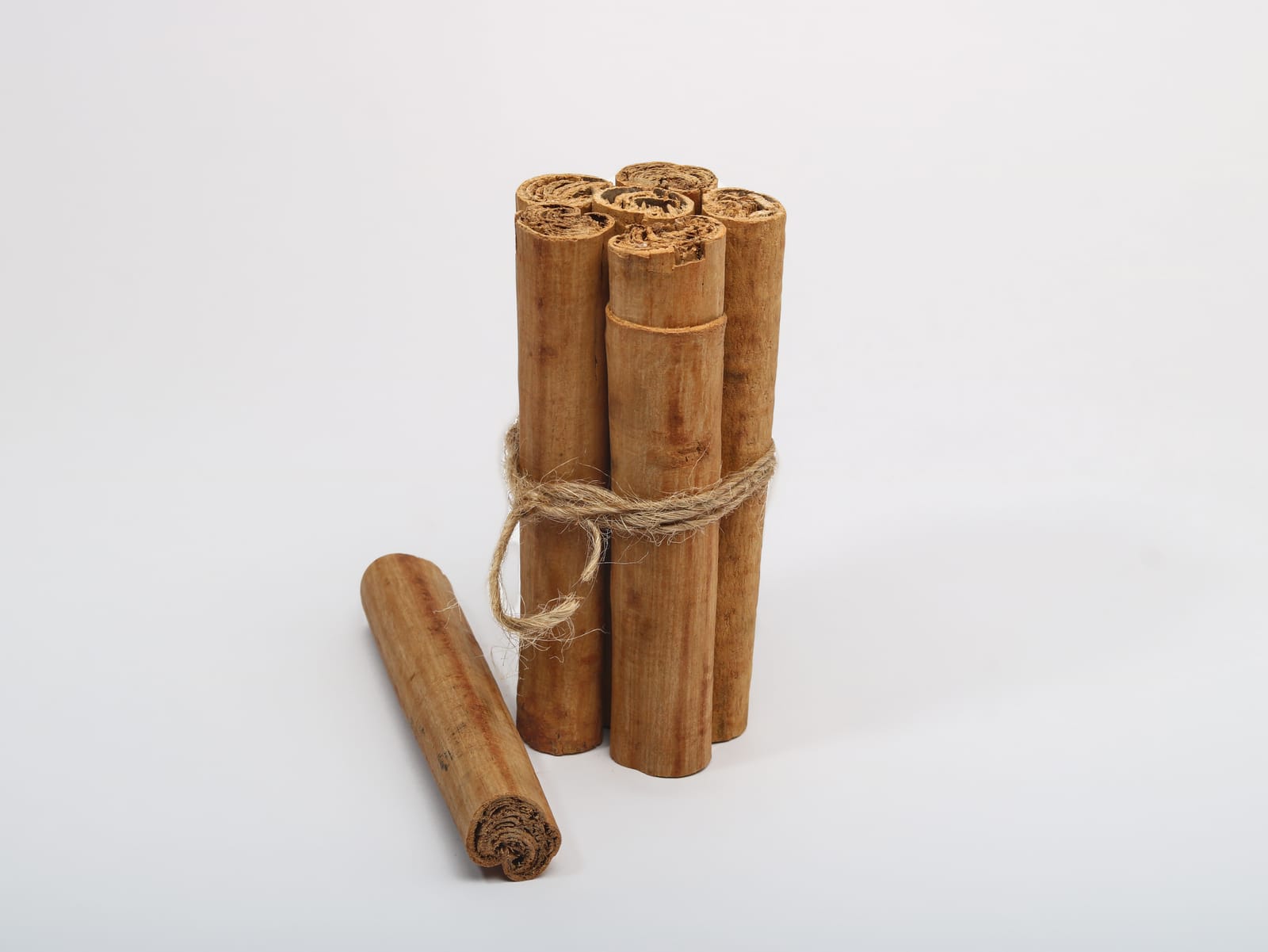
H1
Ceylon Cinnamon H1 (21-23mm diameter) is a coarse hamburger grade with robust thick bark pieces. Ideal for essential oil distillation, flavour extractions, and oleoresin manufacturing.
Cinnamon Powder
Finely milled true Ceylon cinnamon - no fillers, no cassia blending. Used in baking, beverages, health products and spice blends worldwide.
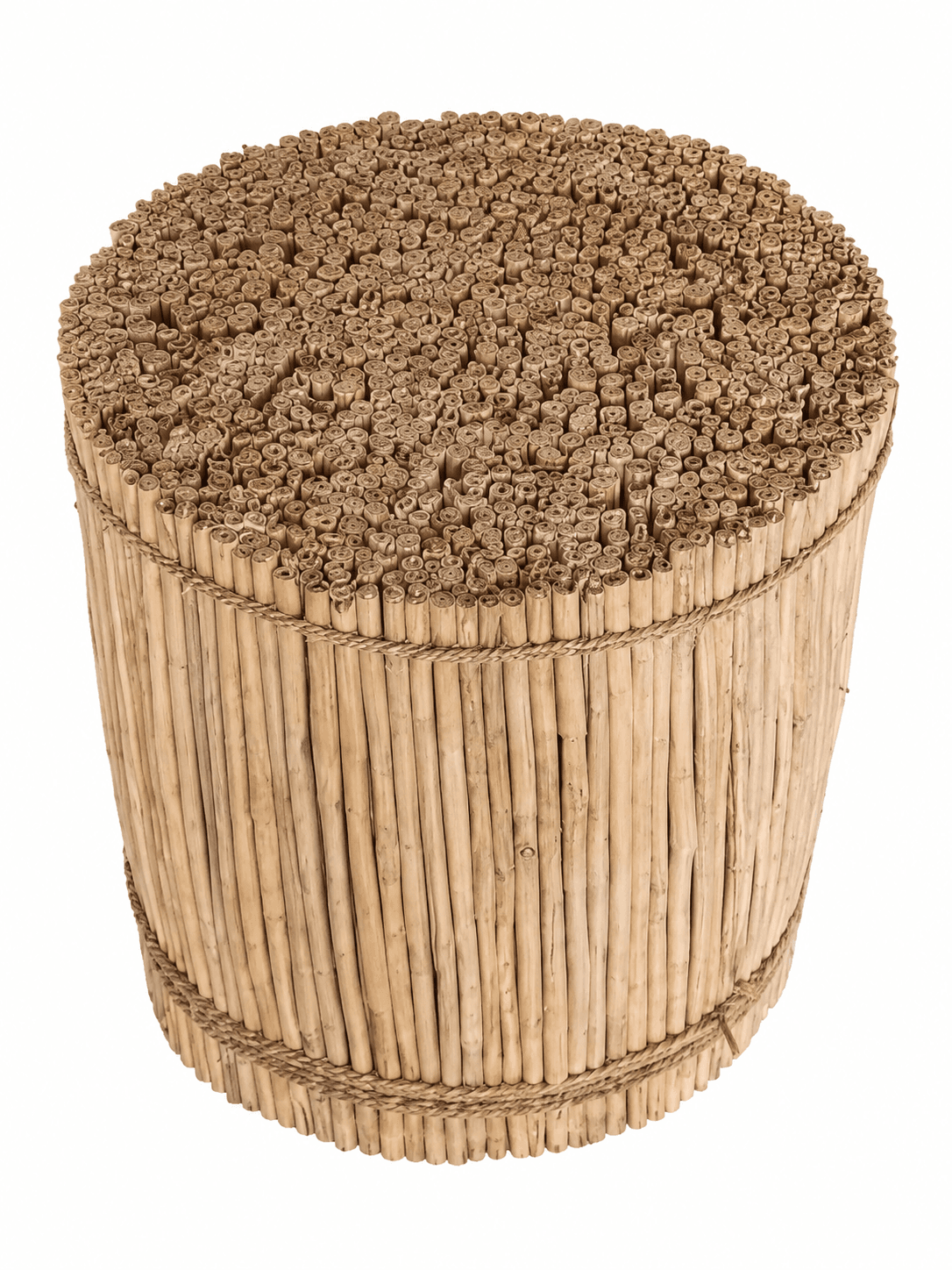
Cinnamon Bales
Bulk baled cinnamon quills compressed for efficient shipping. The standard format for large-volume export to spice wholesalers and food manufacturers.
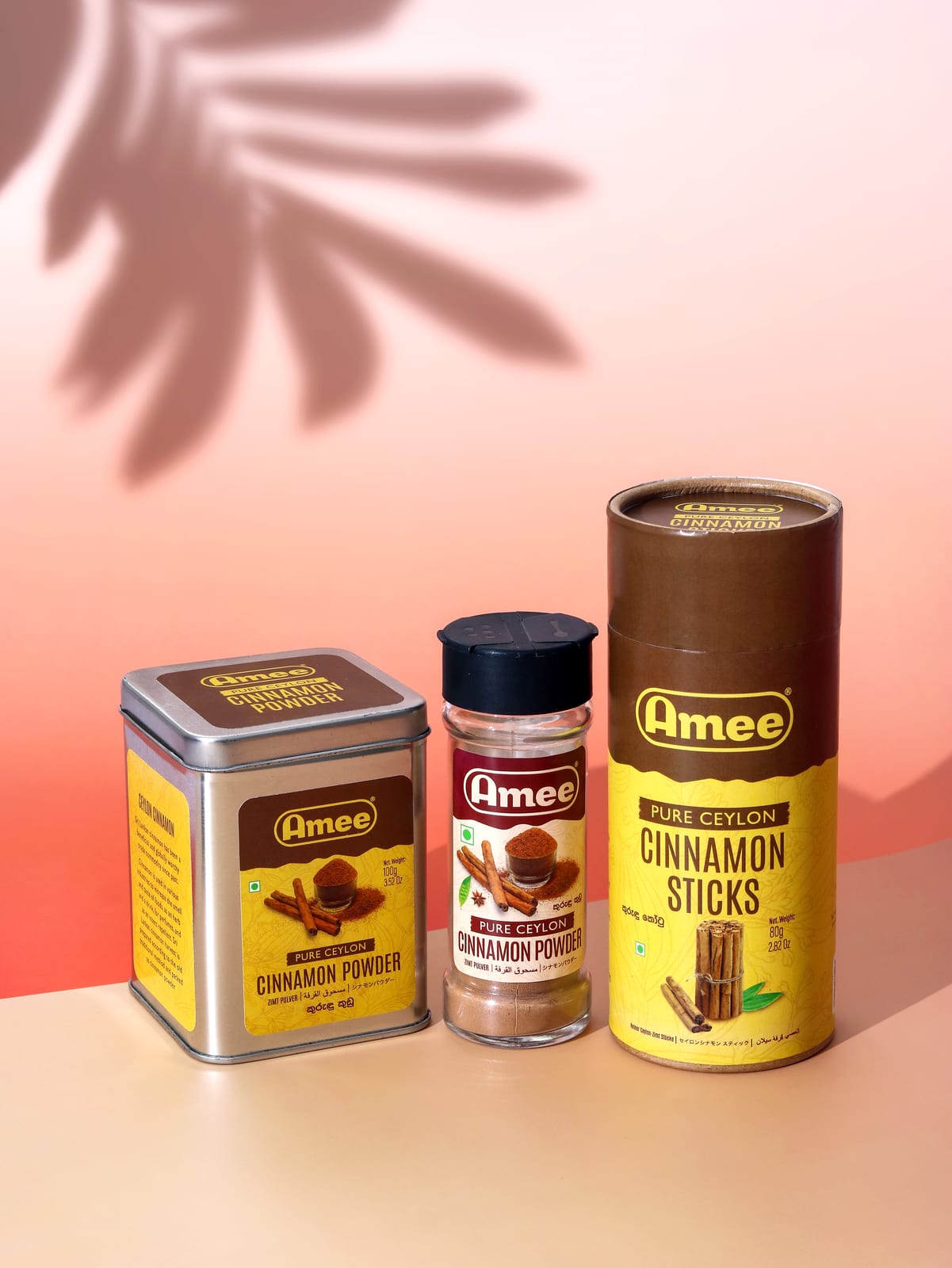
Cut Cinnamon Packs & Tea Bags
Consumer-ready formats - cut cinnamon in retail pouches and cinnamon tea bags. Ideal for supermarket and specialty food retail channels.
Ceylon spice index
Every spice we supply, with its scientific name, plant family and growing region. Select one to see it in the shop or request a quote.
Ceylon Cinnamon
Cinnamomum zeylanicumLauraceae · Ceylon · Inner barkCeylon Cinnamon (Cinnamomum zeylanicum), a plant indigenous to Sri Lanka, is a moderately sized bushy evergreen tree. Cinnamon was a popular spice in the ancient Arab world, and Arab traders paved the way for it to travel the long distance through the spice route to the European market. Cinnamon motivated many historical voyages, leading to the discovery of the New World by Christopher Columbus and Vasco da Gama's voyage to Sri Lanka and South India. The name Ceylon Cinnamon, derived from the former name of Sri Lanka, is a very established geographical indication for cinnamon.
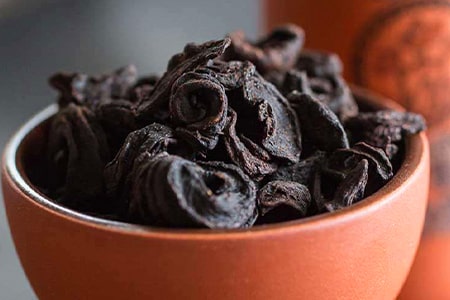
Goraka
Garcinia quaesitaClusiaceae · Ceylon · Fruit rindGarcinia quaesita, known as Goraka (Sinhala) and Kodukkaippuli (Tamil), belongs to the family Clusiaceae. Goraka has been used in Sri Lanka since ancient times for culinary and medicinal purposes. The young fruits are green and gradually turn yellow when ripe. It is a medium evergreen, shade-loving, relatively slow-growing tree found naturally in the local tropical rainforests of Sri Lanka, small to medium sized with horizontal or drooping branches. Goraka is now becoming a popular spice worldwide for its potential as a dietary supplement for weight loss and appetite control.
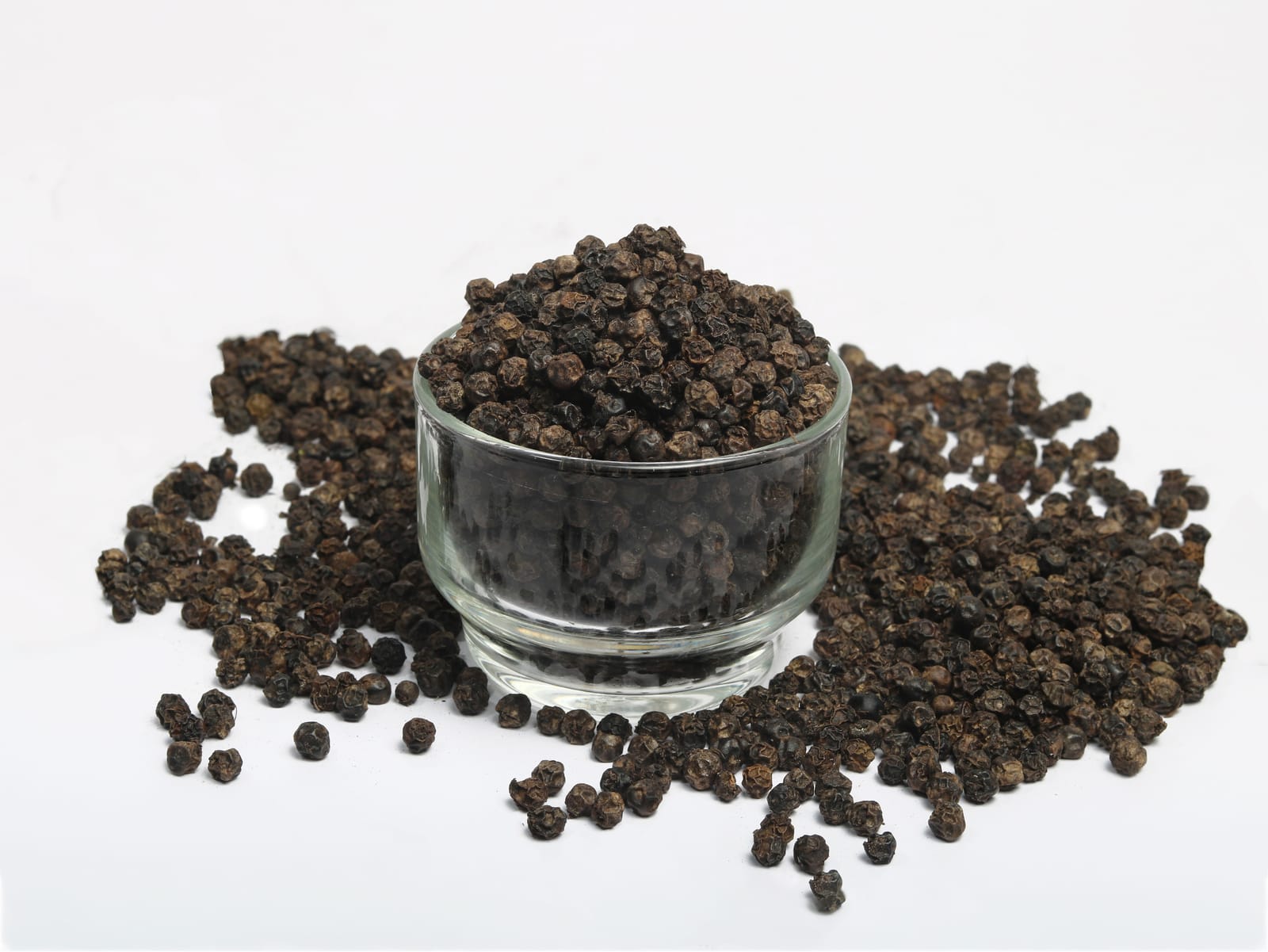
Pepper
Piper nigrumPiperaceae · Ceylon · Dried berryPepper is the most widely used spice in the world and known as the King of the Spices. Ceylon Pepper is particularly favoured worldwide as it is quite rich in piperine, the alkaloid which lends it a distinct pungency. As a result, Ceylon Pepper from Sri Lanka fetches a premium price in the international spice market. Black pepper is widely used as a hot cooking spice and seasoning. The taste of Sri Lankan black pepper is richly aromatic, with floral and citrus notes, while retaining a strong pungency.
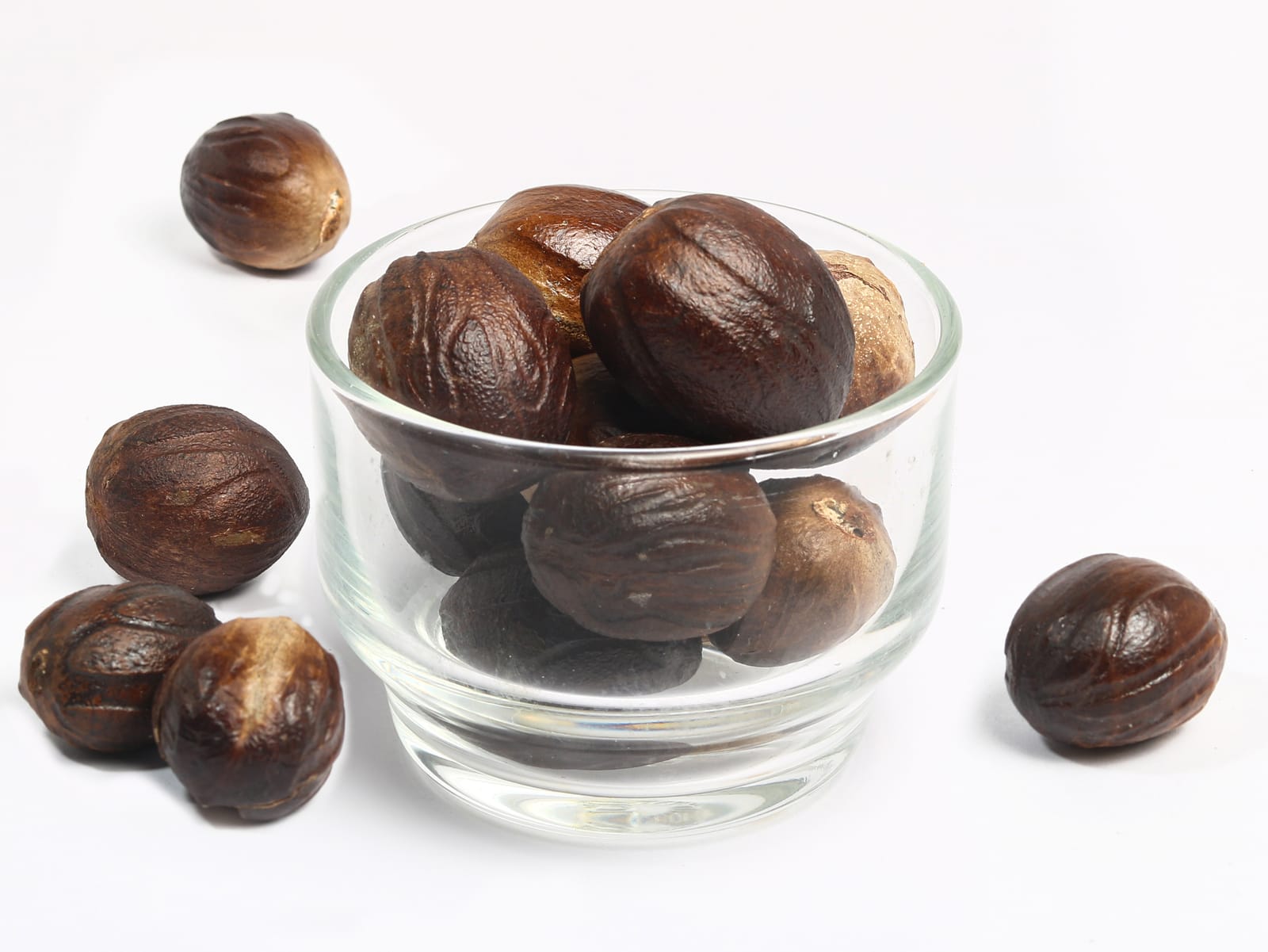
Nutmeg
Myristica fragransMyristicaceae · Ceylon · Seed kernelNutmeg is a perennial evergreen spice tree and a native of the Moluccas in East Indonesia. There is some evidence to suggest that Roman priests may have burned nutmeg as a form of incense. It is also known to have been used as a prized and costly spice in medieval cuisine - as a flavouring, medicine and preserving agent - and was at the time highly valued in European markets. Nutmeg is reported to have been introduced to Sri Lanka at the beginning of the 19th century, but there is evidence that the crop had been brought here even before that by merchants travelling the Silk Road.
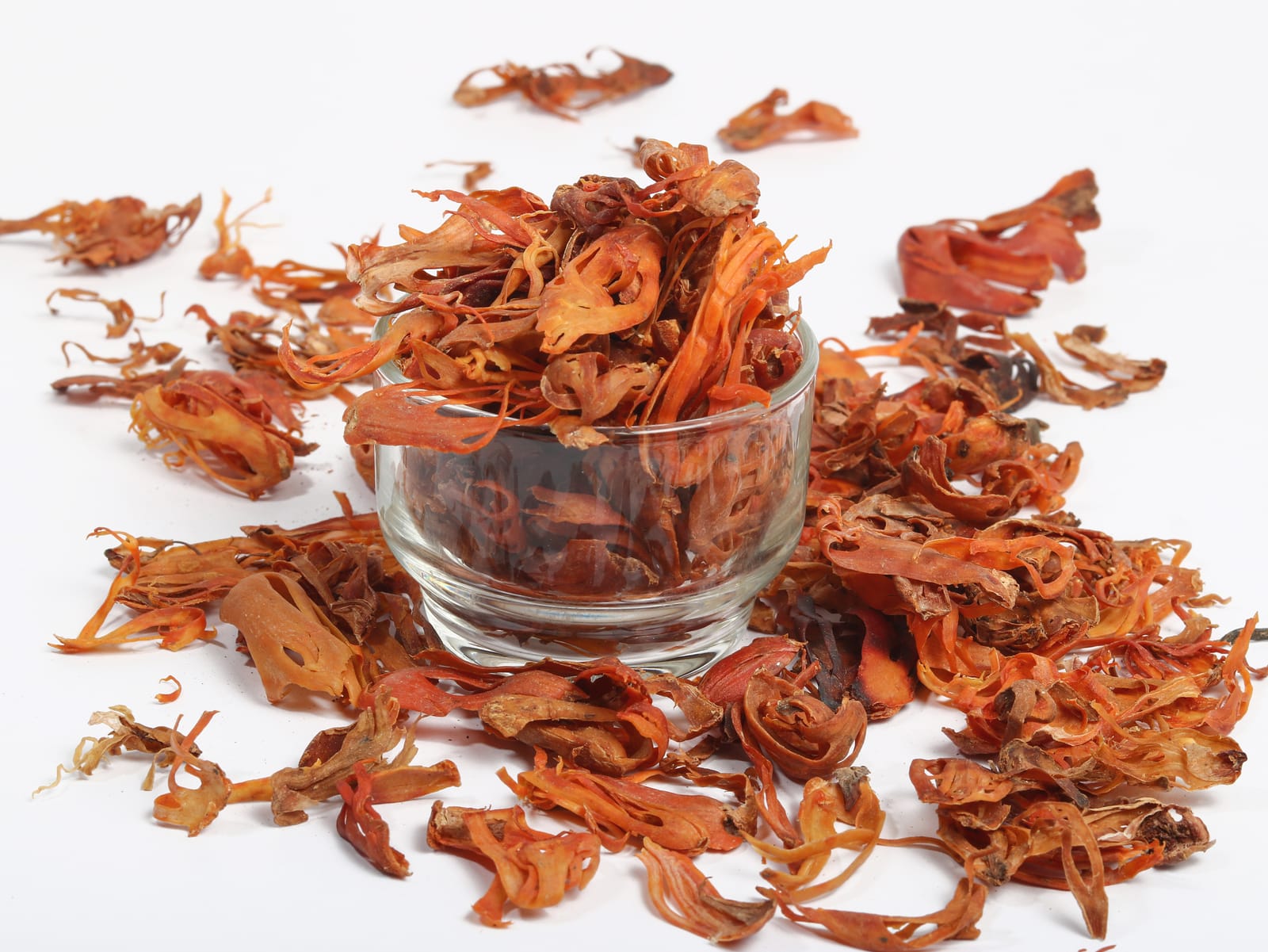
Mace
Myristica fragransMyristicaceae · Ceylon · Seed arilNutmeg and mace are two separate spices derived from the fruit of the tree Myristica fragrans, of the family Myristicaceae. Myristica fragrans is, in fact, the only tree in the world that produces two separate spices. The fruit contains a hard pit, which is the nutmeg, while the lacy red membrane surrounding it is called mace. From ancient times nutmeg has been a highly prized spice for its numerous culinary and other applications. Sri Lankan suppliers export whole nutmeg, nutmeg essential oil, and ground nutmeg and mace to global markets.
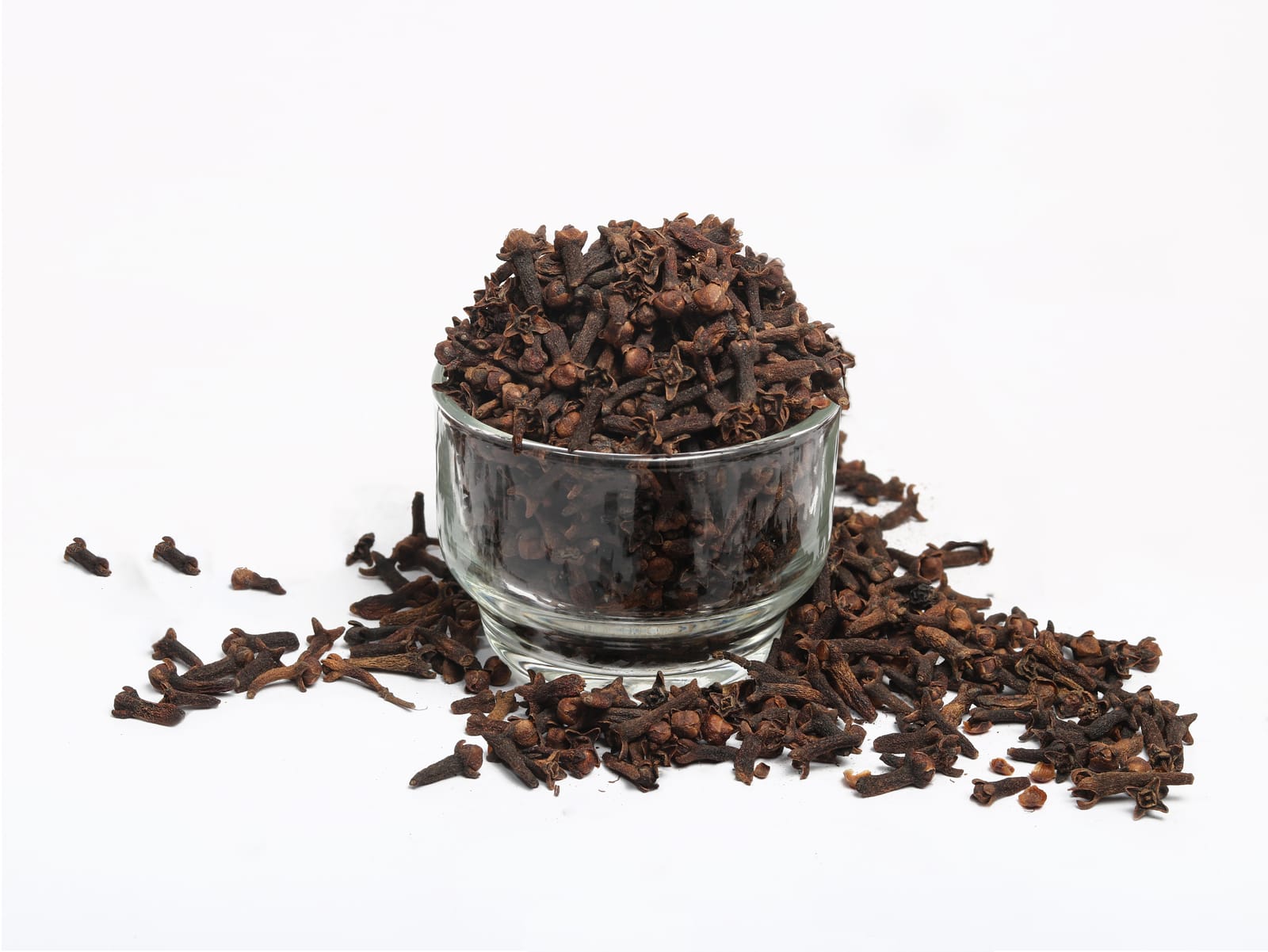
Cloves
Syzygium aromaticumMyrtaceae · Ceylon · Flower budThe clove tree is a medium-sized, symmetrically shaped tree with smooth grey bark and a cone-shaped canopy; fully matured trees grow up to 15-20m. It is believed to have originated in the Maluku Islands of Indonesia. Clove, along with nutmeg and pepper, was highly prized in the Roman era. Cloves were traded by Arabs in the Middle Ages, but in the 15th century Portugal took over the trade, bringing large quantities to Europe and valuing them at seven grams of gold per kilogram. The Spanish and then the Dutch dominated the trade until the seventeenth century. It is not known how or when clove was introduced to Sri Lanka - Arab traders or colonial rulers may have brought the plant to the country, as Sri Lanka was a major trading hub for spices at the time.