
The Botany & Provenance of Ceylon Herbs.
Eighteen licensed medicinal plants grown in Sri Lanka - from Amla and Moringa to Chebulic Myrobalan, Vetiver and White Teak - each identified by botanical family and sourcing zone, and supplied in powder form to wellness brands and manufacturers worldwide.
How a Ceylon herb reaches you
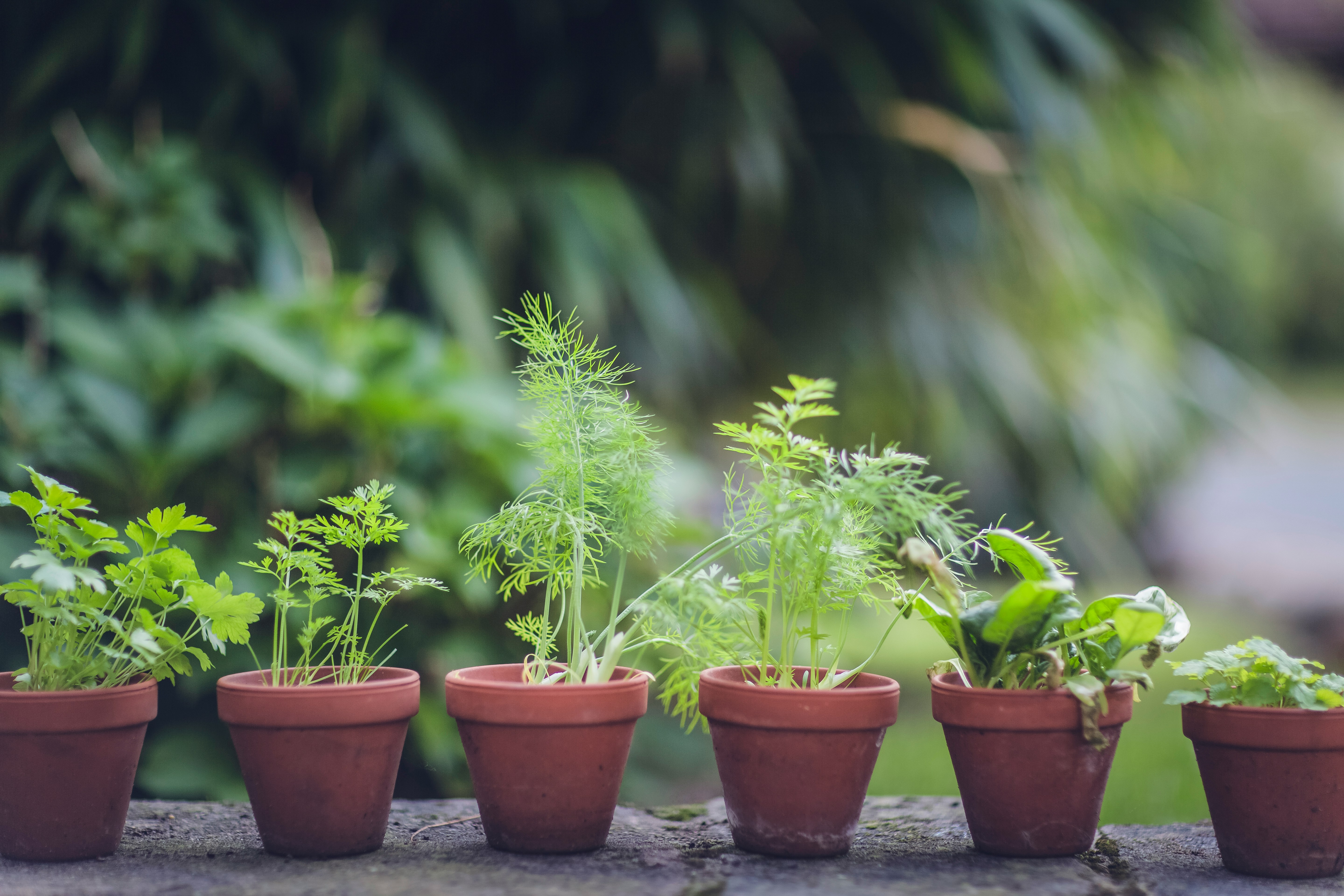
Licensed growers, a seasonal harvest, natural sun-drying and small-lot milling - four steps that decide what survives in the finished powder.
Licensed cultivation
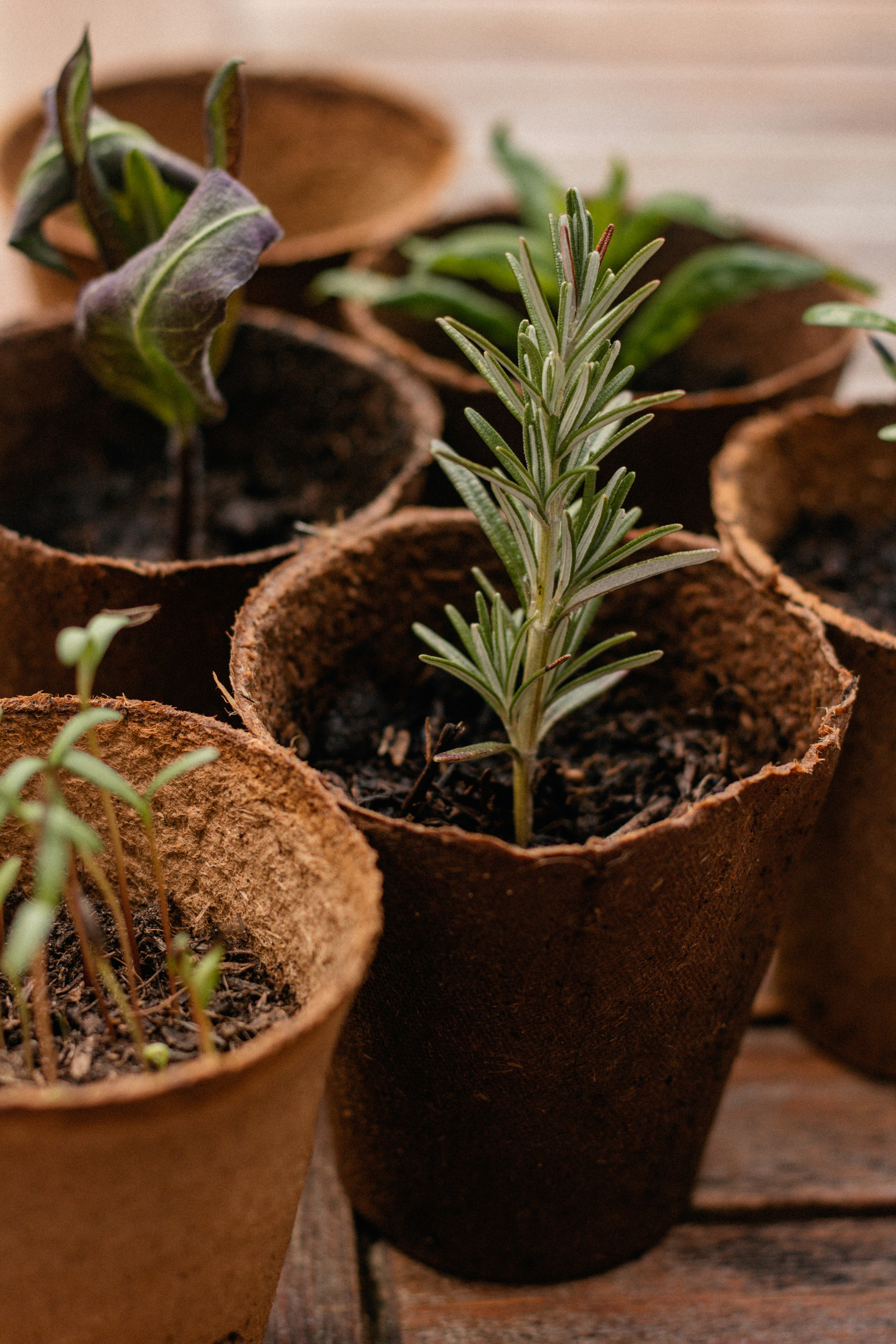
Every plant is grown and gathered under Sri Lanka's regulatory framework for Ayurvedic products - traceable, compliant and responsibly harvested.
Seasonal harvest
Plant parts are taken at their optimal season, when the roots, barks, leaves and fruits carry their fullest character.
Natural drying
Material is dried under natural sunlight rather than forced heat, protecting the aroma and the natural compounds the plant is grown for.
Milled to powder
Herbs are milled in small lots and packed for supply. All eighteen botanicals in the catalogue are available in powder form.
Eighteen plants, one island
The Amee Ceylon herbarium spans eighteen botanicals - roots, barks, leaves, fruits, rhizomes and grasses. It runs from Amla and Moringa through Chebulic Myrobalan, Heart Leaved Moonseed and Indian Sarsaparilla to Lengkuas and White Teak, drawn from the dry zone, the wet zone and the hill country. Every one of them is a licensed medicinal plant part grown in Sri Lanka.
Available in powder form
All of the herbs in the catalogue are supplied as powder, milled in small lots to preserve their active compounds and natural aroma, and packed in biodegradable pouches and resealable foil.
We supply in both retail and bulk quantities to wellness brands and supplement manufacturers worldwide.
Licensed, traceable growers
Every herb is sourced from licensed growers under Sri Lanka's regulatory framework for Ayurvedic products, harvested at the optimal season and carefully processed to preserve its natural compounds.
Sri Lanka has one of the longest unbroken traditions of herbal medicine in the world, and plants like chebulic myrobalan, heart leaved moonseed and Indian sarsaparilla have been relied on here for millennia.
Explore the Ceylon Herbarium
Select any specimen to read its botany - plant family, sourcing zone and the plant the material comes from. All eighteen are licensed medicinal plant parts grown in Sri Lanka.
Eighteen Botanicals
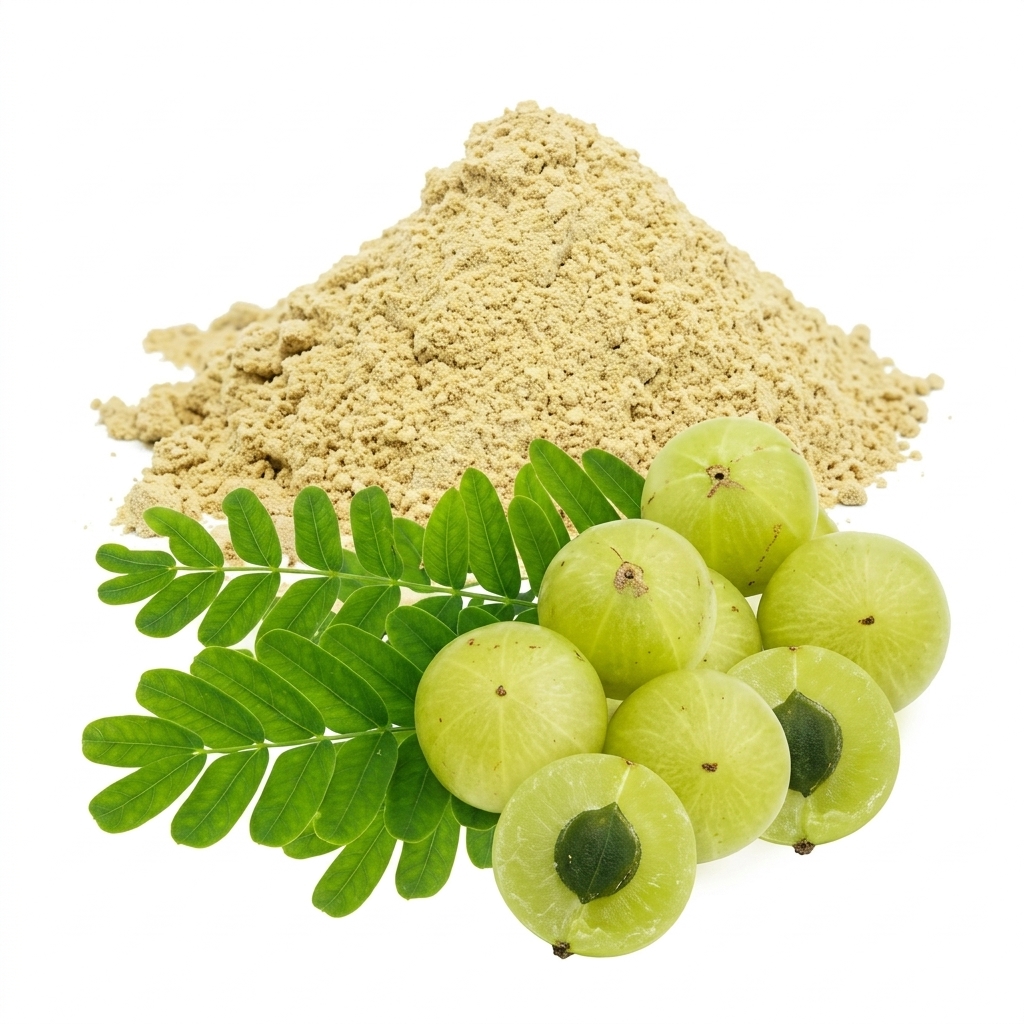
Amla
Phyllanthus emblica
Phyllanthus emblica, also known as emblica, emblica myrobalan, myrobalan, Indian gooseberry, Malacca tree, or amla, from the Sanskrit amalaki, is a deciduous tree of the family Phyllanthaceae.
Herbarium index
Every botanical we supply with its scientific name. Select a specimen to see it in the shop or request a quote.
Amla
Phyllanthus emblicaPhyllanthus emblica, also known as emblica, emblica myrobalan, myrobalan, Indian gooseberry, Malacca tree, or amla, from the Sanskrit amalaki, is a deciduous tree of the family Phyllanthaceae.
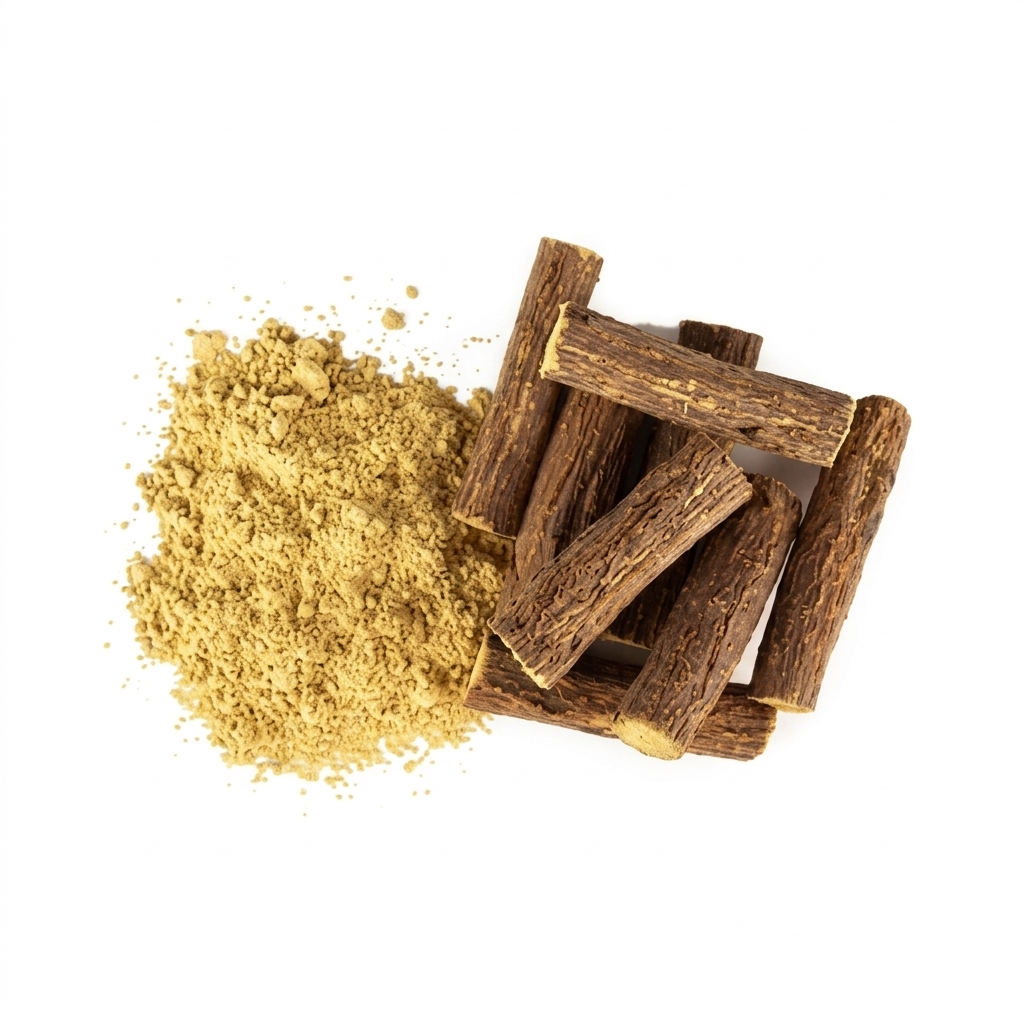
Liquorice
Glycyrrhiza glabraLiquorice or licorice is the common name of Glycyrrhiza glabra, a flowering plant of the bean family Fabaceae, from the root of which a sweet, aromatic flavouring can be extracted. The liquorice plant is a herbaceous perennial legume native to Western Asia, North Africa and southern Europe.
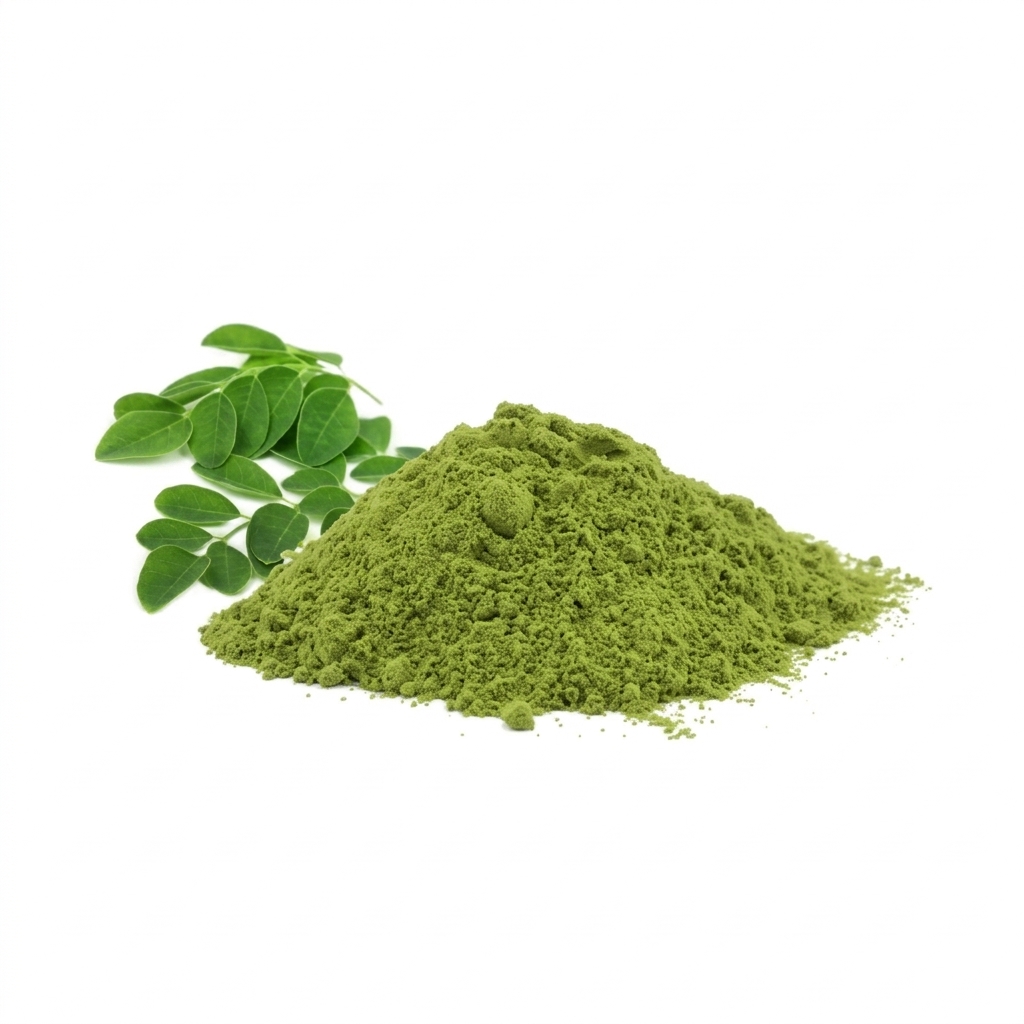
Moringa
Moringa oleiferaMoringa oleifera is a fast-growing, drought-resistant tree of the family Moringaceae, native to the Indian subcontinent. Common names include moringa, drumstick tree, horseradish tree, and ben oil tree or benzolive tree.
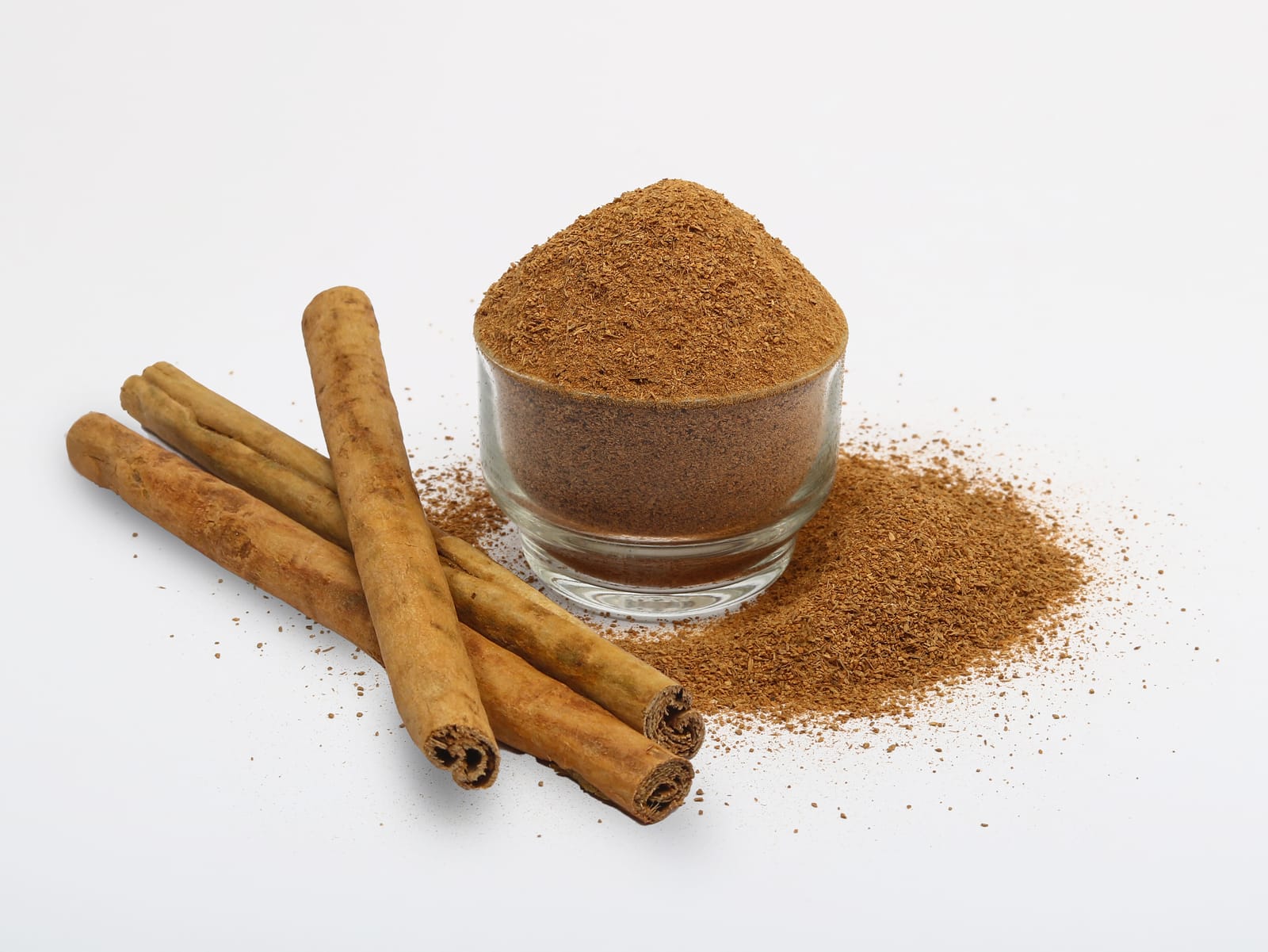
Cinnamon
Cinnamomum zeylanicumCinnamon is a spice obtained from the inner bark of several tree species from the genus Cinnamomum. Cinnamon is used mainly as an aromatic condiment and flavoring additive in a wide variety of cuisines, sweet and savory dishes, breakfast cereals, snack foods, tea and traditional foods.
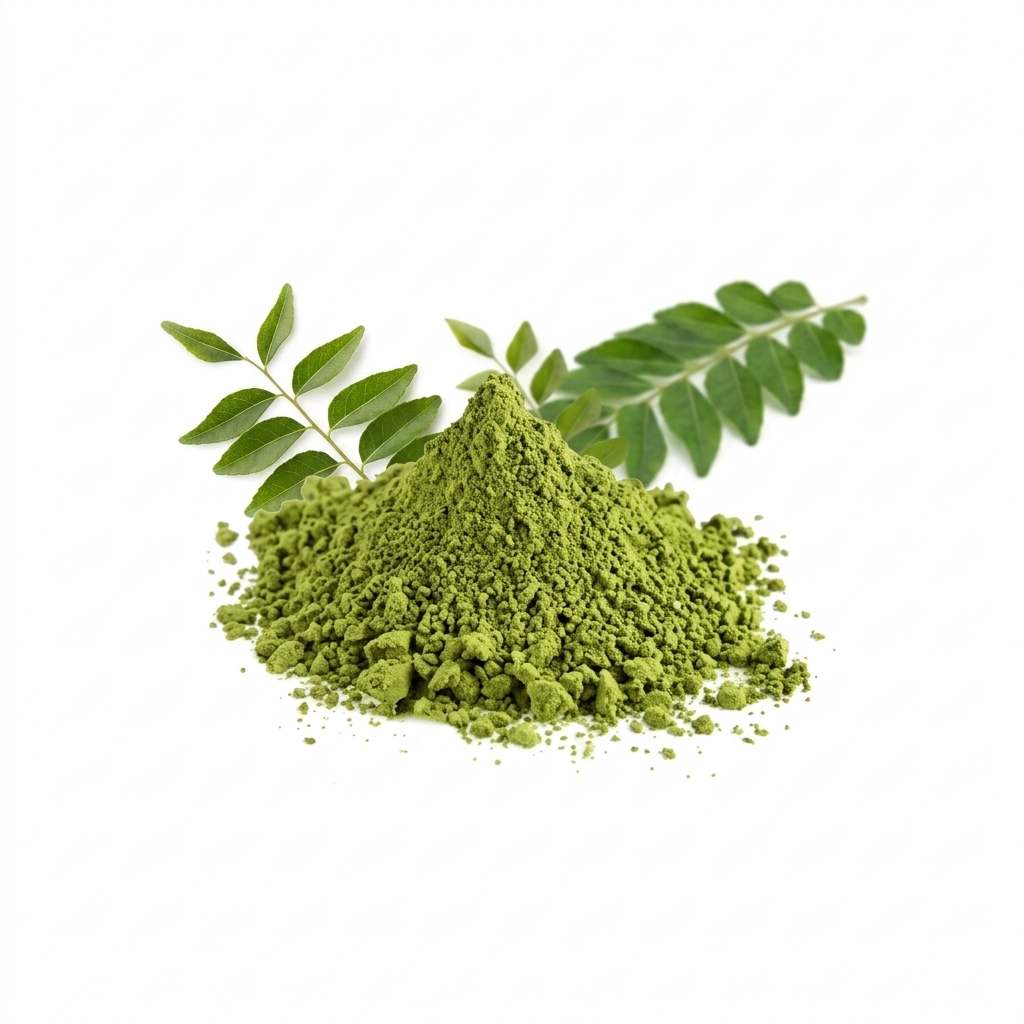
Curry Leaves
Murraya koenigiiThe curry tree is a tropical to sub-tropical tree in the family Rutaceae, and is native to Asia. The plant is also sometimes called sweet neem, though M. koenigii is in a different family to neem, Azadirachta indica, which is in the related family Meliaceae.
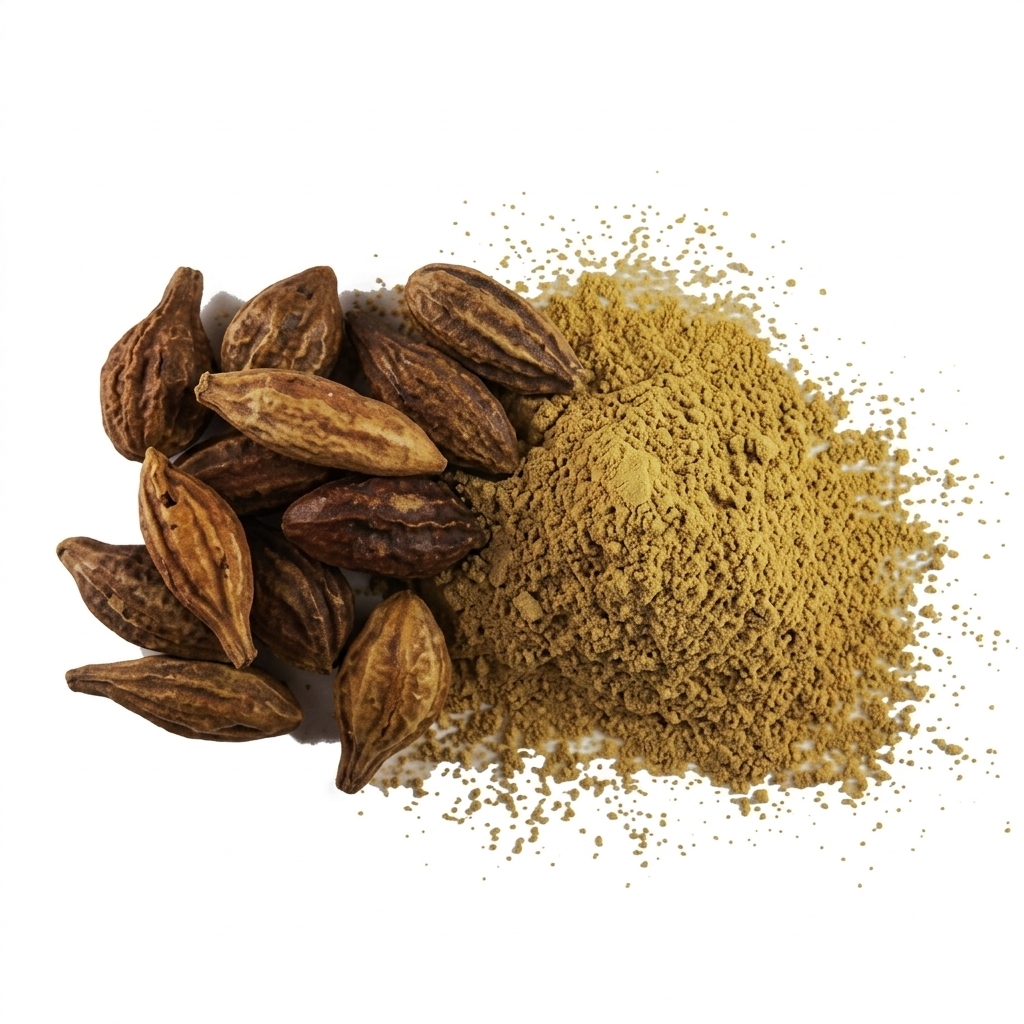
Chebulic Myrobalan
Terminalia chebulaTerminalia chebula, commonly known as black- or chebulic myrobalan, is a species of Terminalia, native to South Asia from India and Nepal east to southwest China, and south to Sri Lanka, Malaysia, and Vietnam.
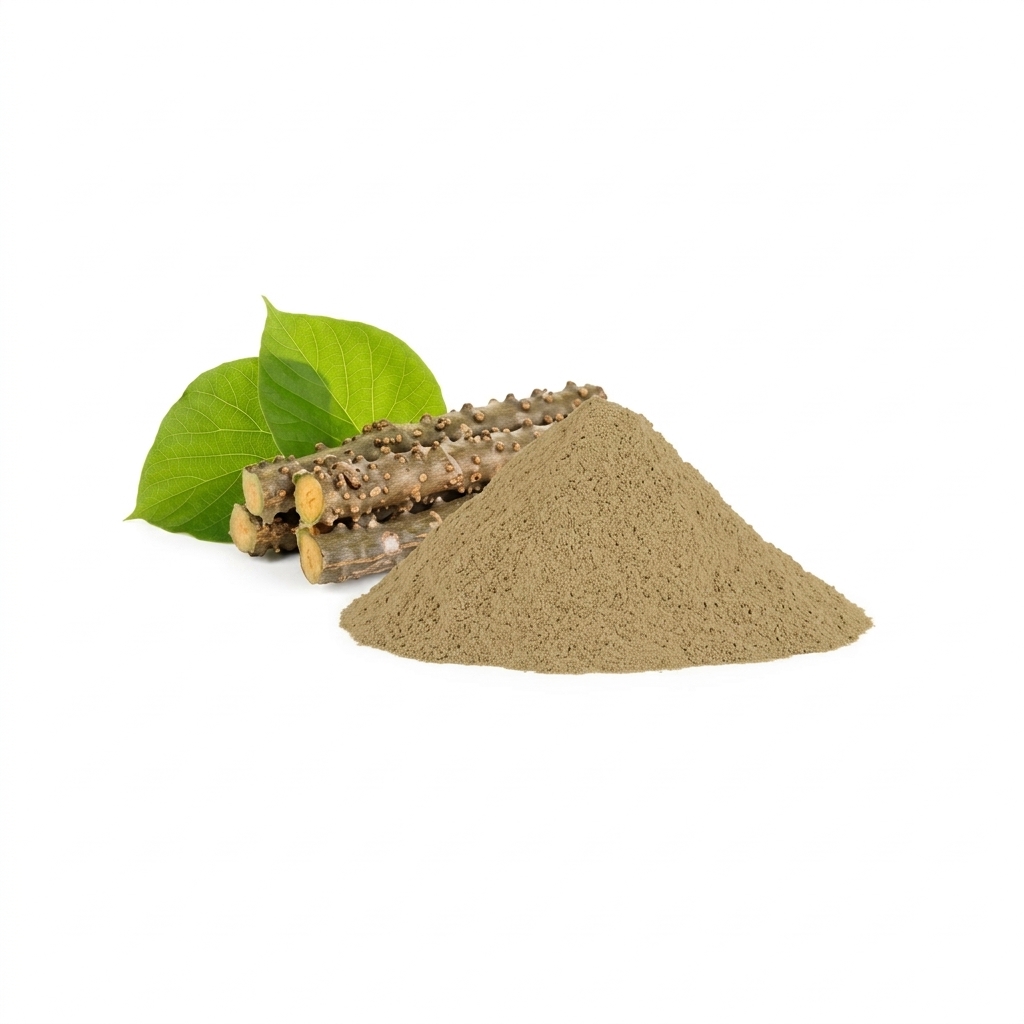
Heart Leaved Moonseed
Tinospora cordifoliaTinospora cordifolia is a herbaceous vine of the family Menispermaceae indigenous to tropical regions of the Indian subcontinent. It has been in use for centuries in traditional medicine to treat various disorders.
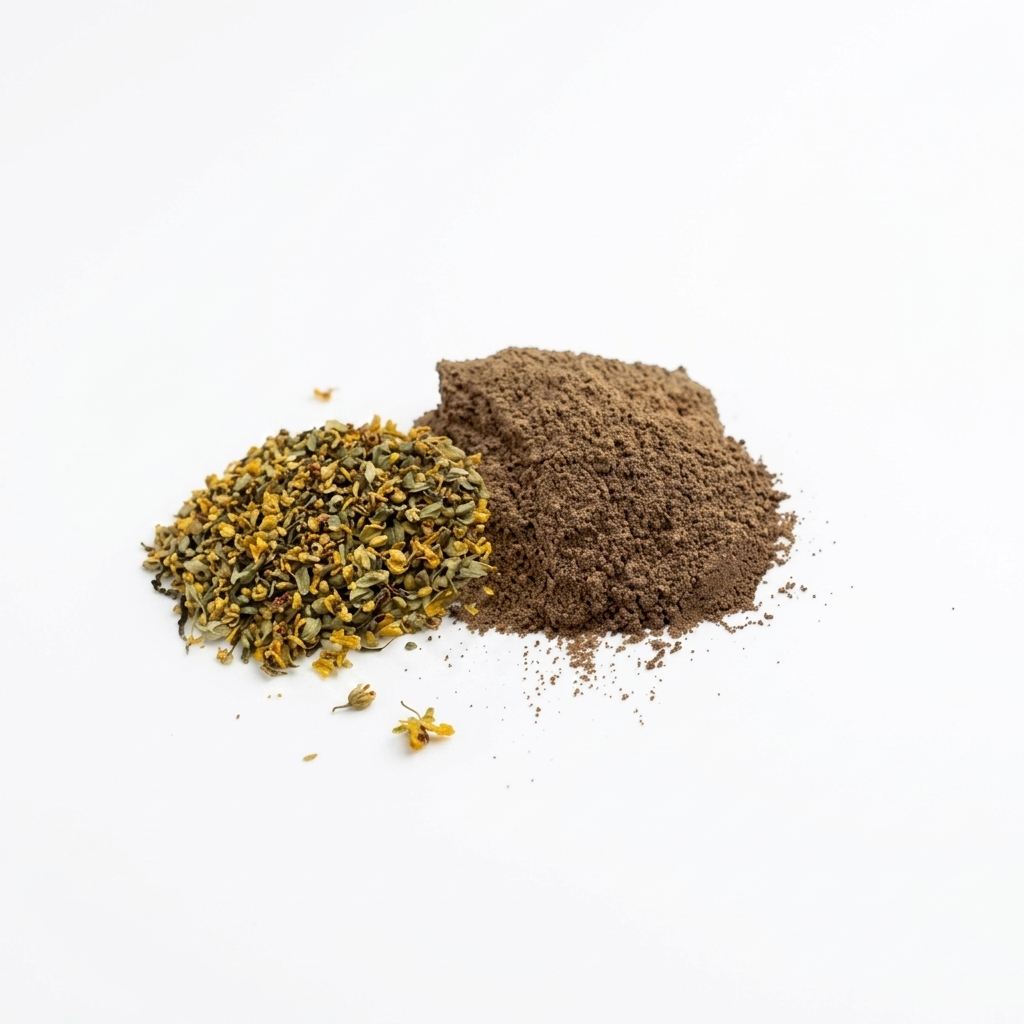
Tanner & Acutes Cassia
Cassia auriculataSenna auriculata is a leguminous tree in the subfamily Caesalpinioideae. It is commonly known by its local names matura tea tree, avaram or ranawara, or the English version avaram senna. It is the State flower of Telangana. It occurs in the dry regions of India and Sri Lanka.
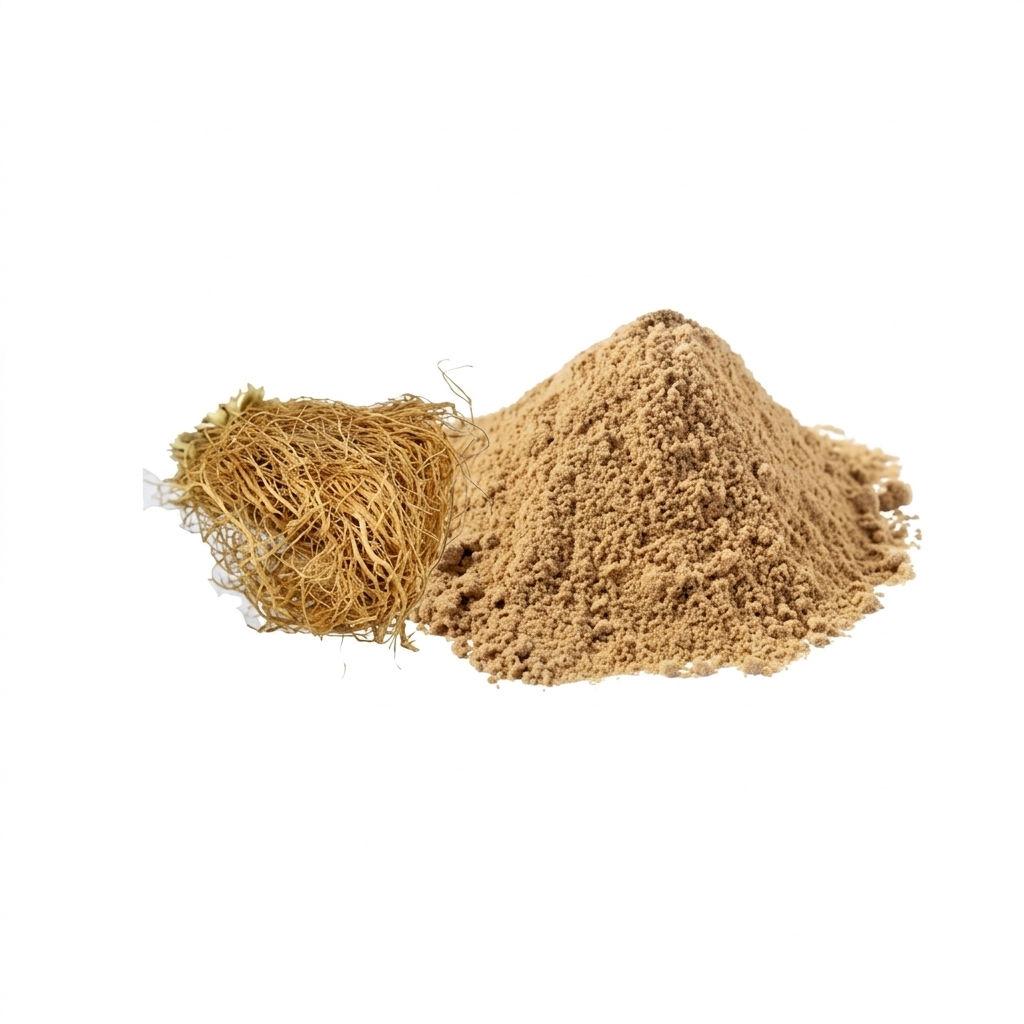
Vetiver Grass
Vetiveria zizanioidesChrysopogon zizanioides, commonly known as vetiver and khus, is a perennial bunchgrass of the family Poaceae. Vetiver is most closely related to Sorghum but shares many morphological characteristics with other fragrant grasses, such as lemongrass, citronella, and palmarosa.
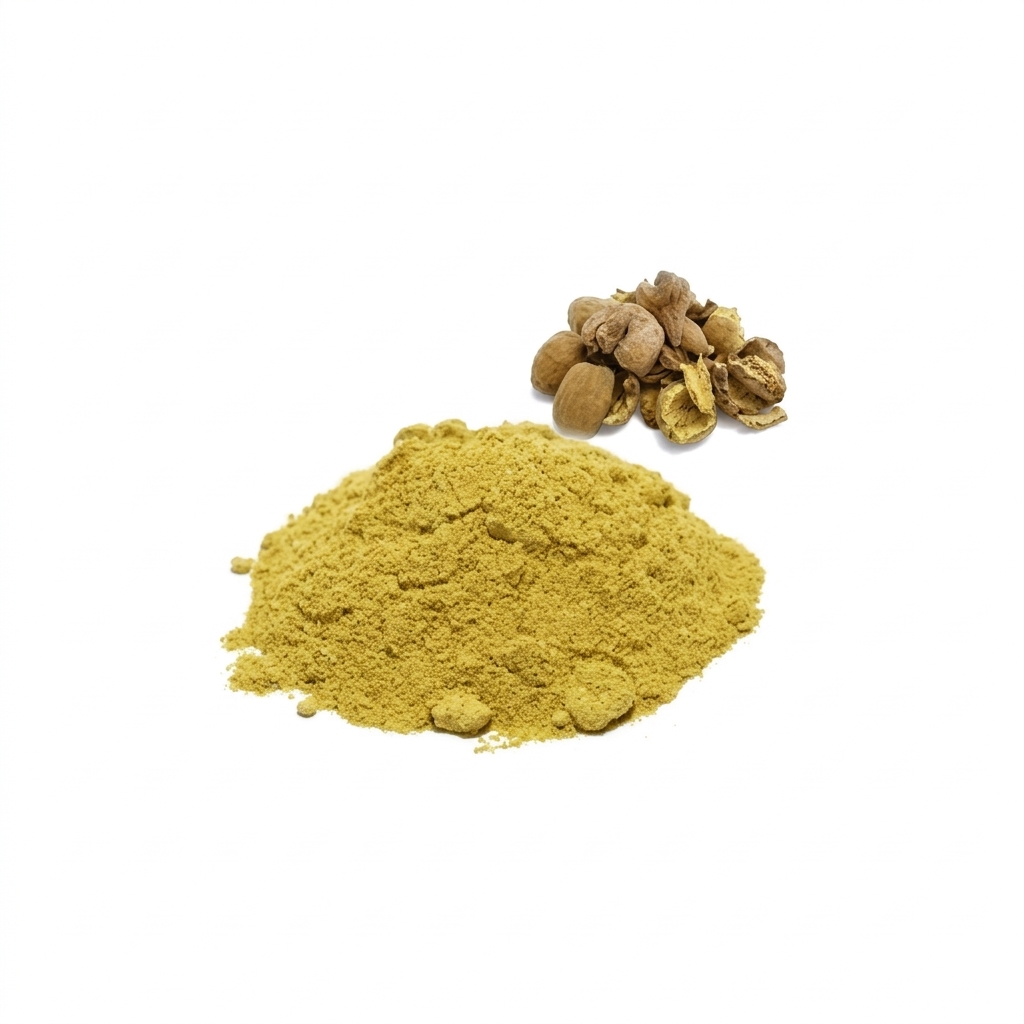
Baheda
Terminalia belliricaTerminalia bellirica, known as baheda, bahera, beleric or bastard myrobalan, is a large deciduous tree common on plains and lower hills in Southeast Asia, where it is also grown as an avenue tree. The basionym is Myrobalanus bellirica Gaertn.
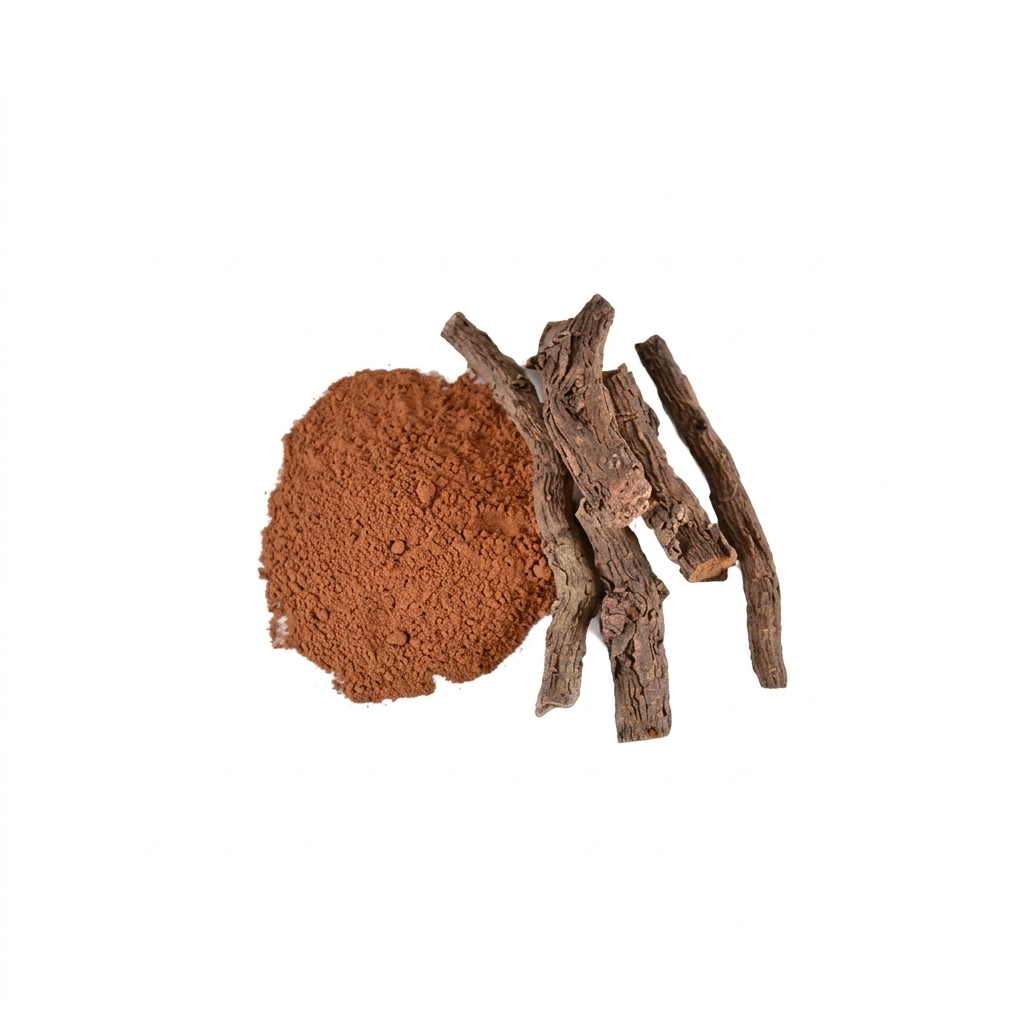
Heart Leaved Madder
Rubia cordifoliaRubia cordifolia, often known as common madder or Indian madder, is a species of flowering plant in the coffee family, Rubiaceae. It has been cultivated for a red pigment derived from roots.
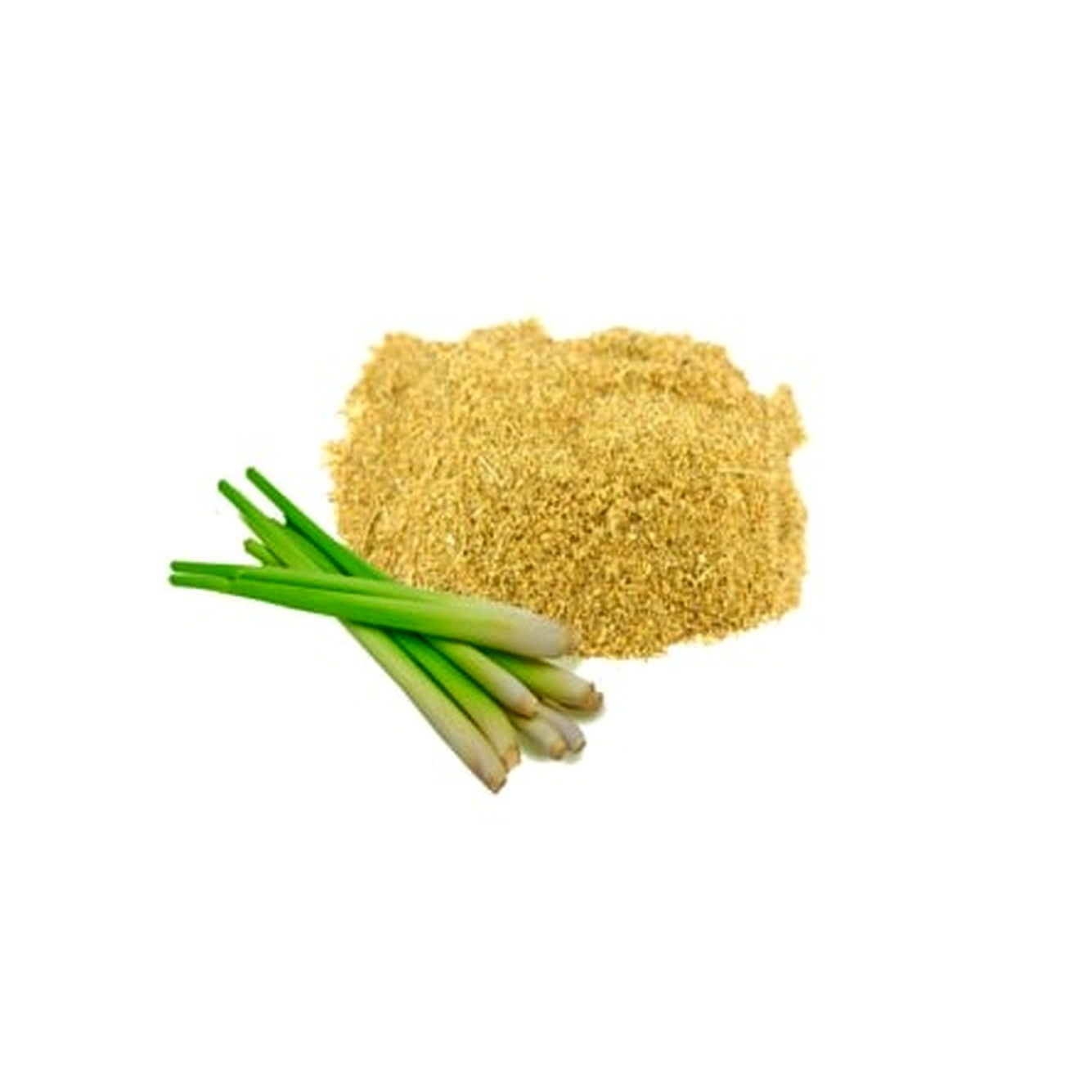
Lemongrass
Cymbopogon citratusCymbopogon citratus, commonly known as West Indian lemon grass or simply lemon grass, is a tropical plant native to Maritime Southeast Asia and introduced to many tropical regions. Cymbopogon citratus is often sold in stem form.
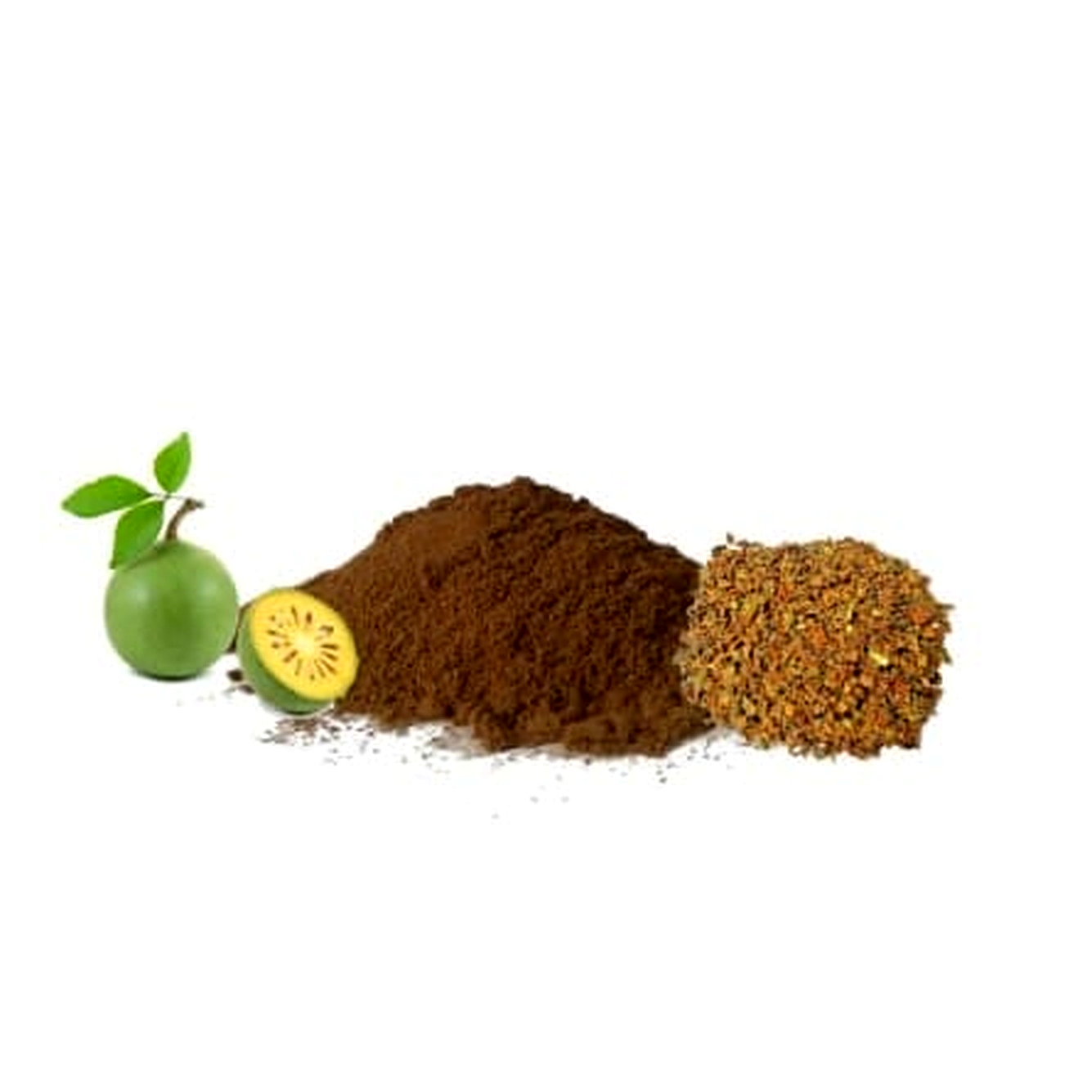
Bael Fruit Flower
Aegle marmelosAegle marmelos, commonly known as bael (or bili or bhel), also Bengal quince, golden apple, Japanese bitter orange, stone apple or wood apple, is a rare species of tree native to the Indian subcontinent and Southeast Asia.
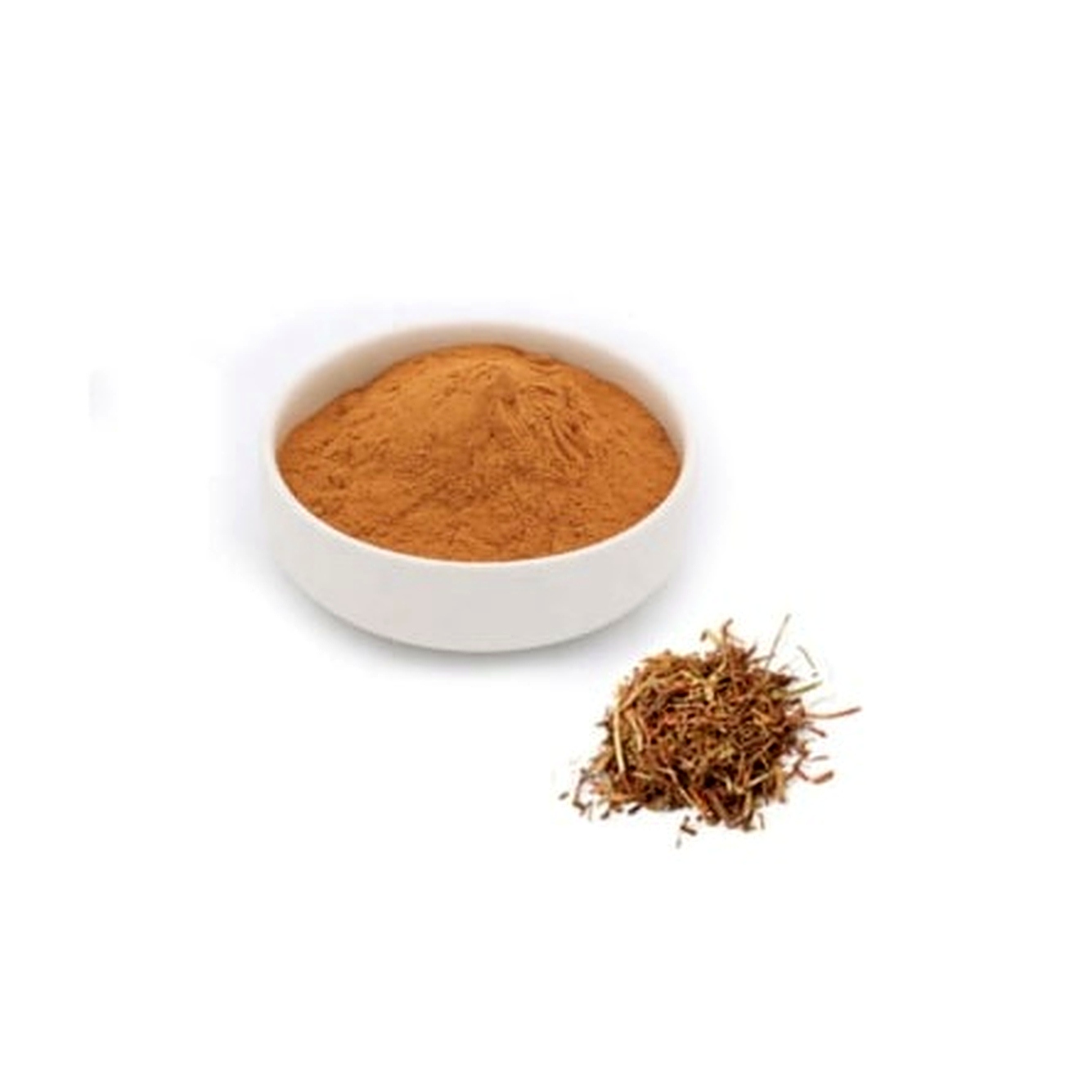
Heart Leaf Sida
Sida cordifoliaSida cordifolia is a perennial subshrub of the mallow family Malvaceae native to India. It has naturalized throughout the world, and is considered an invasive weed in Africa, Australia, the southern United States, Hawaiian Islands, New Guinea, and French Polynesia.
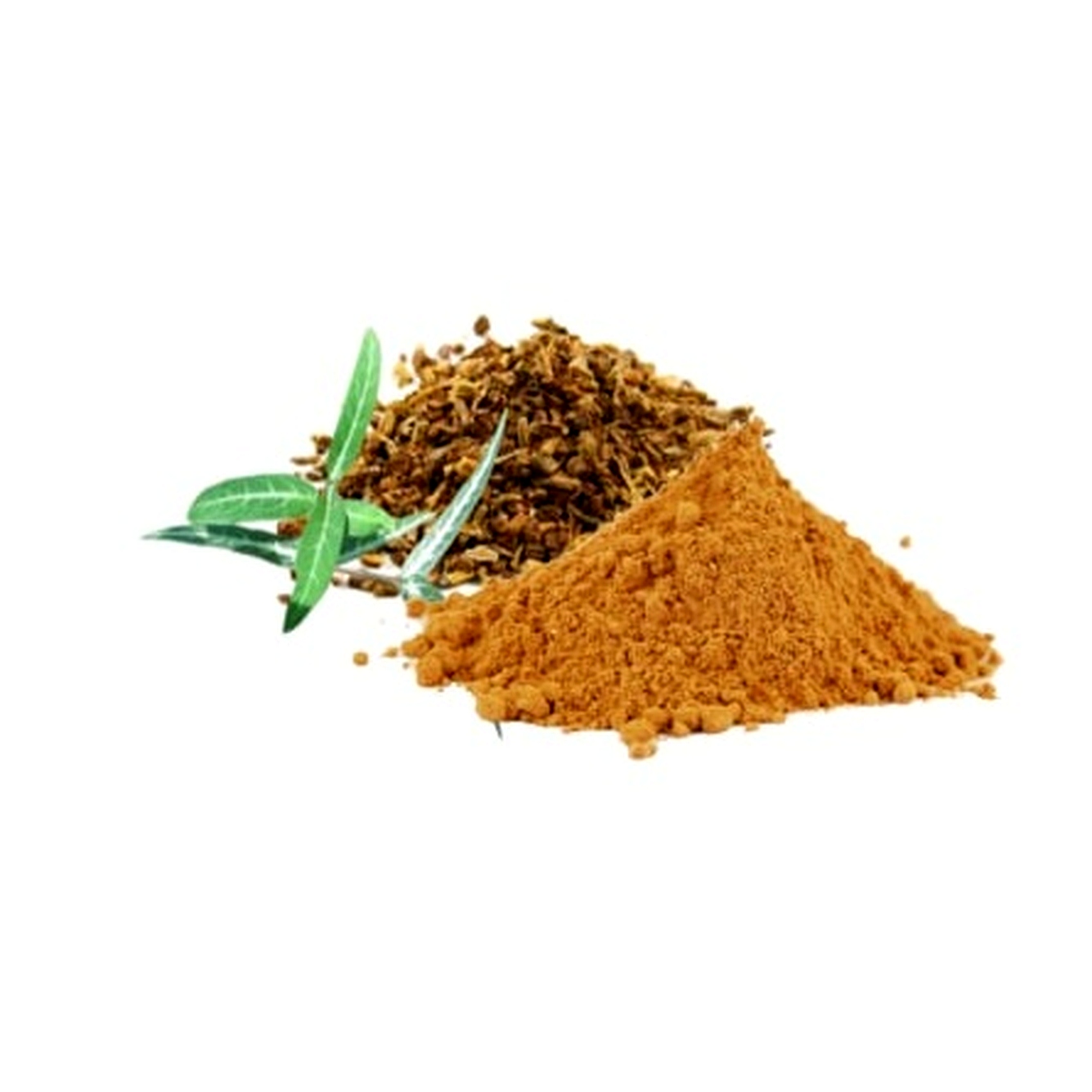
Indian Sarsaparilla
Hemidesmus indicusHemidesmus indicus, Indian sarsaparilla is a species of plant that is found in South Asia. It is a slender, laticiferous, twining, sometimes prostrate or semi-erect shrub. Roots are woody and aromatic. The stem is numerous, slender, terete, thickened at the nodes.
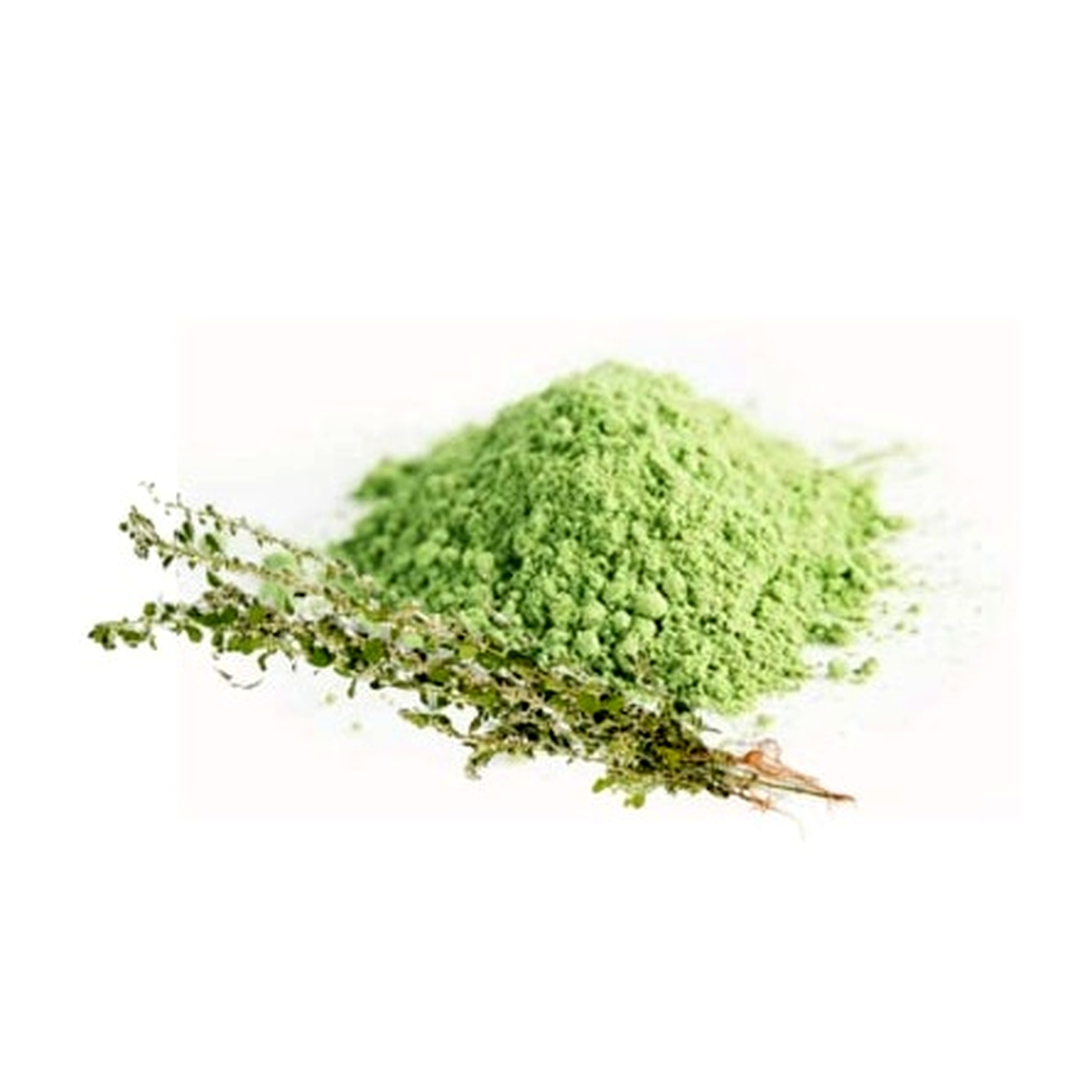
Balipoovu
Aerva lanataAerva lanata, the mountain knotgrass, is a woody, prostrate or succulent, perennial herb in the family Amaranthaceae, native to Asia, Africa. It has been included as occurring in Australia by the US government, but it is not recognised as occurring in Australia by any Australian state herbarium.
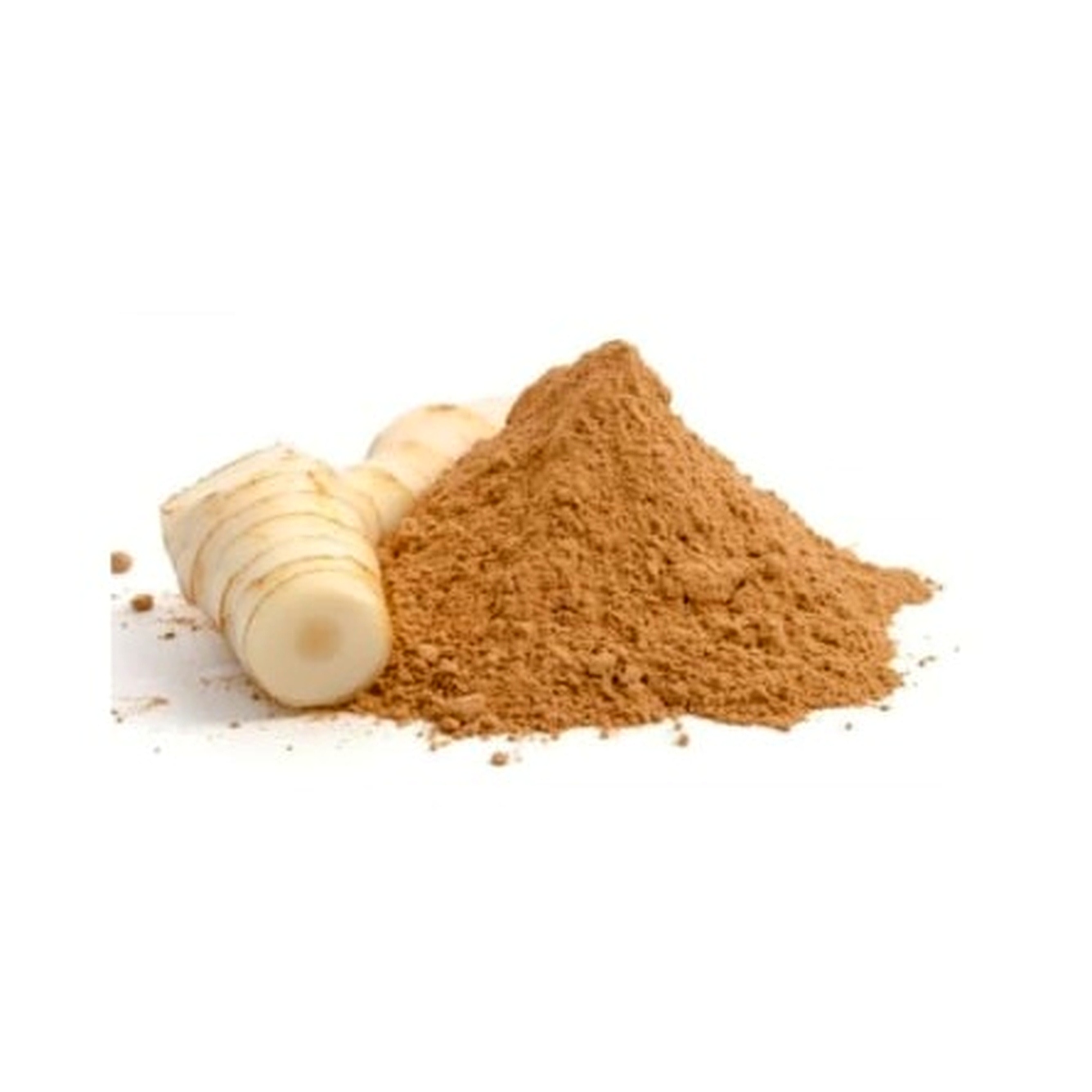
Lengkuas
Alpinia galangaAlpinia galanga, a plant in the ginger family, bears a rhizome used largely as an herb in Unani medicine and as a spice in Arab cuisine and Southeast Asian cookery. It is one of four plants known as galangal, and is differentiated from the others with the common names lengkuas, greater galangal, and blue ginger.
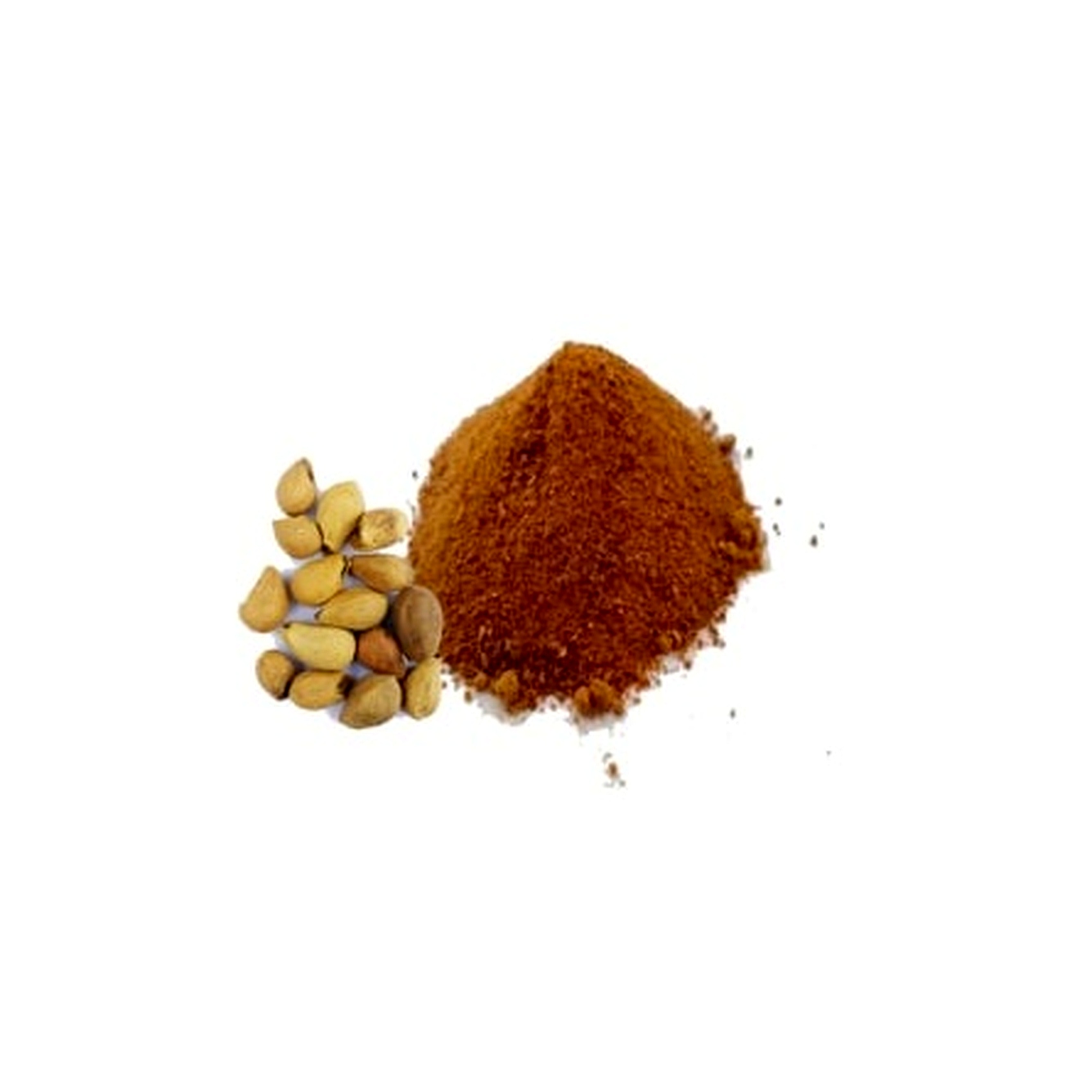
White Teak
Gmelina arboreaGmelina arborea, locally known as gamhar, is a fast-growing deciduous tree in the family Lamiaceae.